Michigan probes lettuce as cyclospora cases hit record
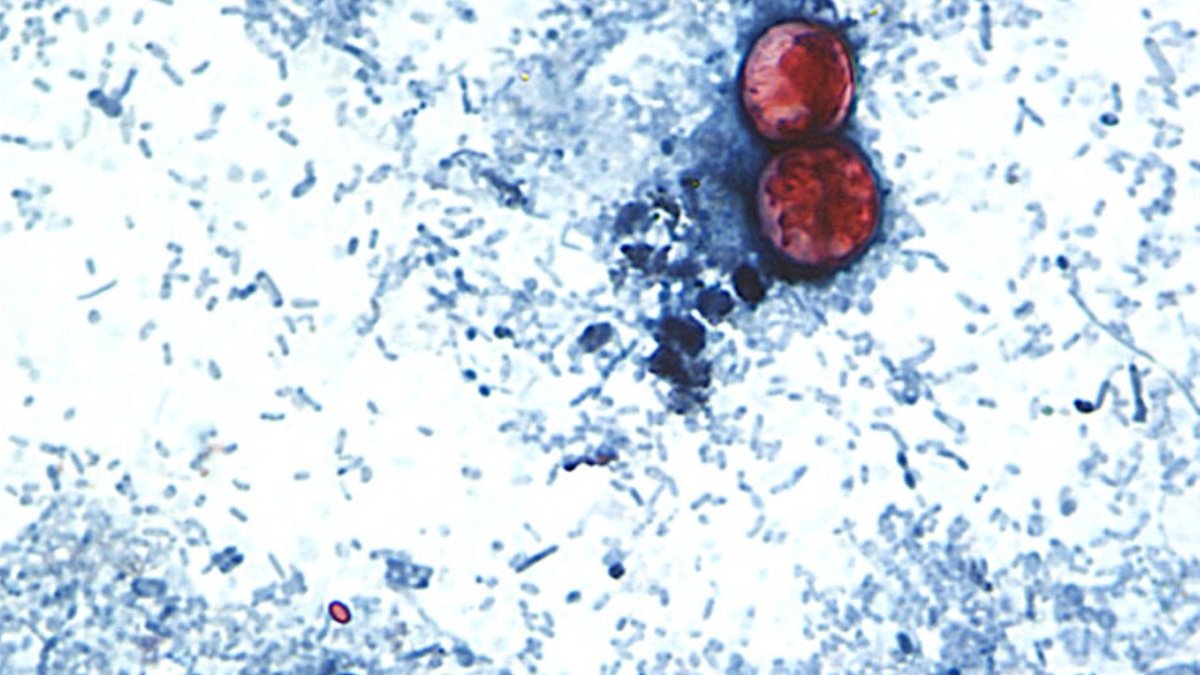
Infections from the cyclospora parasite are rising at a record pace this year, with state-level data showing that 2026 is already the worst year for reported cases in the United States. More than 30 states have documented infections, and the current tally exceeds the previous record, according to health officials. The illness is rarely life-threatening and can be treated with antibiotics.
Federal health authorities said Tuesday they have not yet pinpointed a single cause for the surge, but they believe cases in at least four states — Michigan, Ohio, Kentucky, and West Virginia — are connected. Michigan, which has reported more than 3,300 cases, is focusing early suspicion on lettuce or salad greens.
Michigan zeroes in on lettuce after 1,000 patient interviews
Michigan officials said they conducted more than 1,000 interviews with infected patients. “Early information has shown lettuce as a common product that regularly comes up during the investigation,” said Natasha Bagdasarian, the state health department’s chief medical executive.
Because produce has been linked to past cyclospora outbreaks, the state health department advised consumers to buy whole heads of lettuce, discard the outer layers, and thoroughly wash the rest. They also recommended avoiding bagged lettuce and pre-mixed salad kits.
Related: Airlines rely on doctors mid-flight
The Taco Bell restaurant chain issued a statement Tuesday saying it had “voluntarily and temporarily removed limited ingredients at select restaurants as a precautionary measure. We will continue to closely monitor the situation and follow the guidance of public health authorities.” Federal health officials declined to say whether they are looking at Taco Bell or any specific vendor.
“FDA certainly is continuing its traceback investigation on multiple produce items, also including locations that are reported by the case patients before they became sick,” said Donald Prater, acting deputy commissioner for food at the U.S. Food and Drug Administration.
The parasite behind ‘explosive’ diarrhea
Cyclospora is a microscopic, spherical parasite that typically causes watery diarrhea “with frequent and sometimes explosive bowel movements,” according to the U.S. Centers for Disease Control and Prevention. Outbreaks are most common in late spring and summer.
The parasite thrives in heat, infects the bowels, and spreads through feces.
Related: Doctor shortages worsen despite more medical graduates
In past outbreaks, people were infected by eating fruits or vegetables that came into contact with feces-contaminated irrigation water.
The illness, called cyclosporiasis, is less common than foodborne diseases caused by salmonella or E. coli. Many cases are never linked to a specific food source. For years, few U.S. outbreaks were reported, but the number began rising about a decade ago, with sharp spikes in 2018 and 2019.
Experts believe cases were historically underreported because standard tests for food poisoning often missed cyclospora. They attribute the increasing trend to both climate change and better detection methods.
For the people most affected — particularly those in Michigan and Ohio who have endured weeks of severe diarrhea and cramping — the lack of a confirmed source adds frustration to an already miserable experience. Without a clear culprit, consumers are left guessing at the grocery store, while health officials chase leads that may take months to resolve.
Related: Trump administration strips protections for top NIH officials
Record 2019 cases now surpassed
Before this year, the worst year on record was 2019, when roughly 4,700 illnesses were reported. CDC data on confirmed and suspected cases traditionally lags behind what state and local health departments post in real time.
On Tuesday, the agency issued a health alert stating that since May 1, it knows of 1,645 confirmed domestic cases and more than 5,100 that require further analysis to confirm whether the infections were acquired in the United States. The reports span 34 states, and no deaths have been reported.
The true number of cases is probably larger, said Gwen Biggerstaff, deputy director of the CDC’s Division of Foodborne, Waterborne, and Environmental Diseases, because some people with mild symptoms may not seek care. It can take days to weeks for symptoms to appear after exposure. Biggerstaff said officials expect case numbers to keep growing through August.
The federal alert did not break down case counts by state. But Michigan has reported the highest tally, northwest Ohio officials have counted more than 1,100, New York City more than 400, and Illinois more than 200. Officials do not believe all cases can be traced to a single source. In Illinois, for instance, more than half of those infected said they had traveled outside the United States, and some may have picked up the parasite abroad. Michigan officials, however, believe a large share of their cases stem from a linked domestic outbreak. CDC officials did not explain why they currently think cases in Michigan, Ohio, Kentucky, and West Virginia are part of the same outbreak.


