COVID hospitalization raises stroke risk in seniors
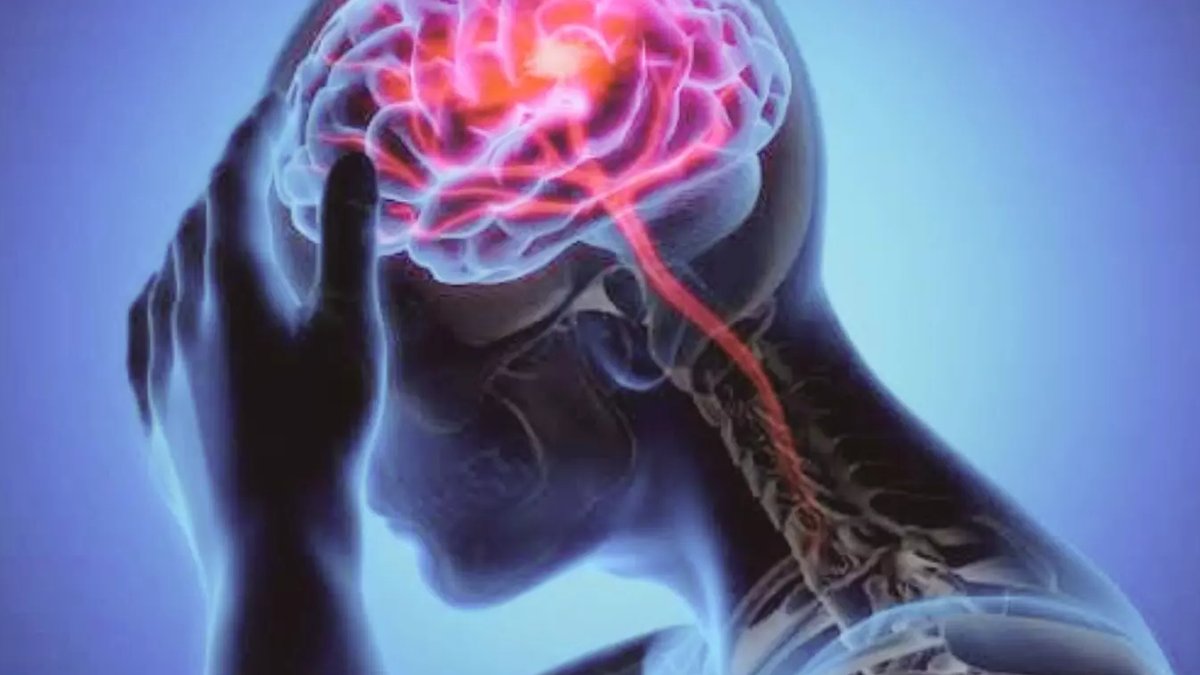
Researchers analyzed data from March 2020 through May 2022 and determined that vaccination against COVID-19 corresponded with reduced stroke risk among this group.
A large-scale nested case-control study led by Nika Zur from the University of Haifa examined how COVID-19 infection, its severity, vaccination, and pneumonia relate to new-onset stroke in adults over 50. The team utilized electronic health records from Israel’s primary healthcare provider.
In this analysis involving 1,198,088 people, 11,974 individuals experienced a new stroke and were paired with 119,740 controls. The results indicated that having COVID-19 raised the chance of stroke by 23% relative to not being infected. This increased risk applied to both ischemic strokes and intracerebral hemorrhages.
The association was particularly pronounced among individuals hospitalized with COVID-19, with the odds of stroke 2.50-fold higher among those with mild disease and 2.34-fold higher among those with moderate-to-severe disease.
Stroke risk was greatest during the first three months following SARS-CoV-2 infection, when the odds were 35% higher. A history of pneumonia was associated with a 57% higher likelihood of stroke. Participants who had received four COVID-19 vaccine doses had lower odds of stroke than unvaccinated individuals.
Zur and her colleagues observed that the risk of stroke following COVID-19 hospitalization was acute and mostly occurred in the initial three months. They advised maintaining careful monitoring of cerebrovascular health after respiratory infections and urged a careful interpretation of the connection between vaccination and reduced stroke risk.
The study’s findings show the potential benefit of vaccination, with COVID-19 vaccination associated with a lower likelihood of stroke. Nika Zur and the authors suggest that this association should be interpreted with caution, considering the potential for residual confounding and limitations in the data.
Nika Zur and the researchers stress that their study has important implications for public health. They recommend that people take precautions to reduce their risk of stroke, especially after COVID-19 infection. The study’s results can inform healthcare providers and policymakers about the importance of vaccination and stroke prevention.
Related Stories
 Mental Health Dispatch
COVID hospitalization raises stroke risk in seniors
 Mental Health Dispatch
Study links hand inflammation to higher risk of death
 Mental Health Dispatch
Health research agency seeks more independence
 Mental Health Dispatch