Liver issues linked to higher heart risk
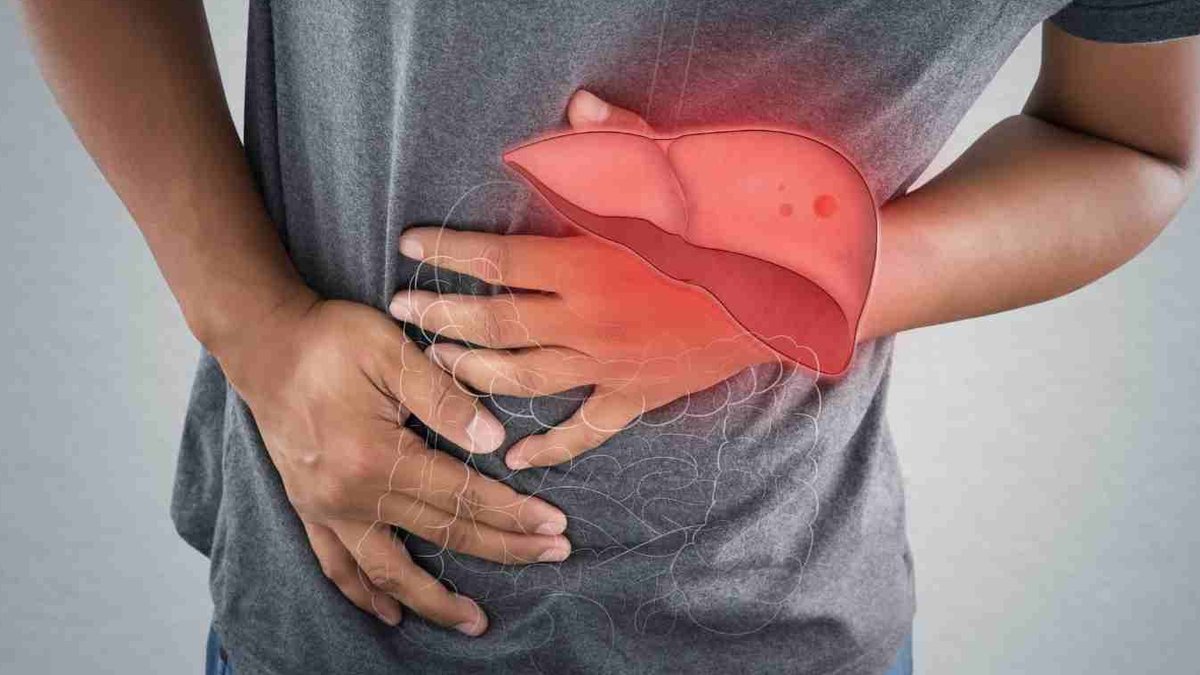
A study in the European Heart Journal reveals key findings. Raised liver fat, scarring, and impaired function link to higher cardiovascular disease (CVD) risk. This holds true even without a diagnosed liver condition.
Research indicates that even minor disruptions in liver function, such as raised liver enzymes, hepatic steatosis, and metabolic dysfunction-associated steatotic liver disease (MASLD), may be linked to a higher risk of CVD.
Subtle hepatic abnormalities may contribute to systemic metabolic and vascular dysfunction, as the liver is essential for lipid metabolism, glucose balance, inflammation, and coagulation.
The study examined the relationships between acute CVD and hepatic steatosis, fibrosis, and functional decline in a prospective cohort of 318,308 participants without clinical liver and CVD at baseline.
Over a median follow-up of 14.0 years, 32,637 incident CVD events occurred, which is 10.3% of the participants, with the highest quartile of fatty liver index (FLI), fibrosis-4 index (FIB-4), and albumin-bilirubin (ALBI) score demonstrating significantly higher risks.
Individuals with all three biomarkers in the highest quartile showed a significantly higher risk, with an adjusted hazard ratio (aHR) of 2.53.
Sex-specific analyzes found that FIB-4 and ALBI indicated higher risk in males, while FLI was more significantly related to CVD in women.
The results of this study demonstrate subclinical liver disease as a separate and combined predictor of CVD risk, and these non-invasive biomarkers may improve CVD risk assessment and allow for more focused preventative measures.
The study’s findings suggest that individuals without a clinical diagnosis of liver illness but with high scores for liver steatosis, fibrosis, and functional impairment are at a significantly higher risk of CVD.
Related Stories
 Clinical Trial Digest
Healthcare AI Spending Shifts to Patient Care, Drug Discovery
 Clinical Trial Digest
Delhi to launch low-cost dialysis centers in seven hospitals via
 Clinical Trial Digest
Liver issues linked to higher heart risk
 Clinical Trial Digest