Blood test trends may spot hidden cancer risks early
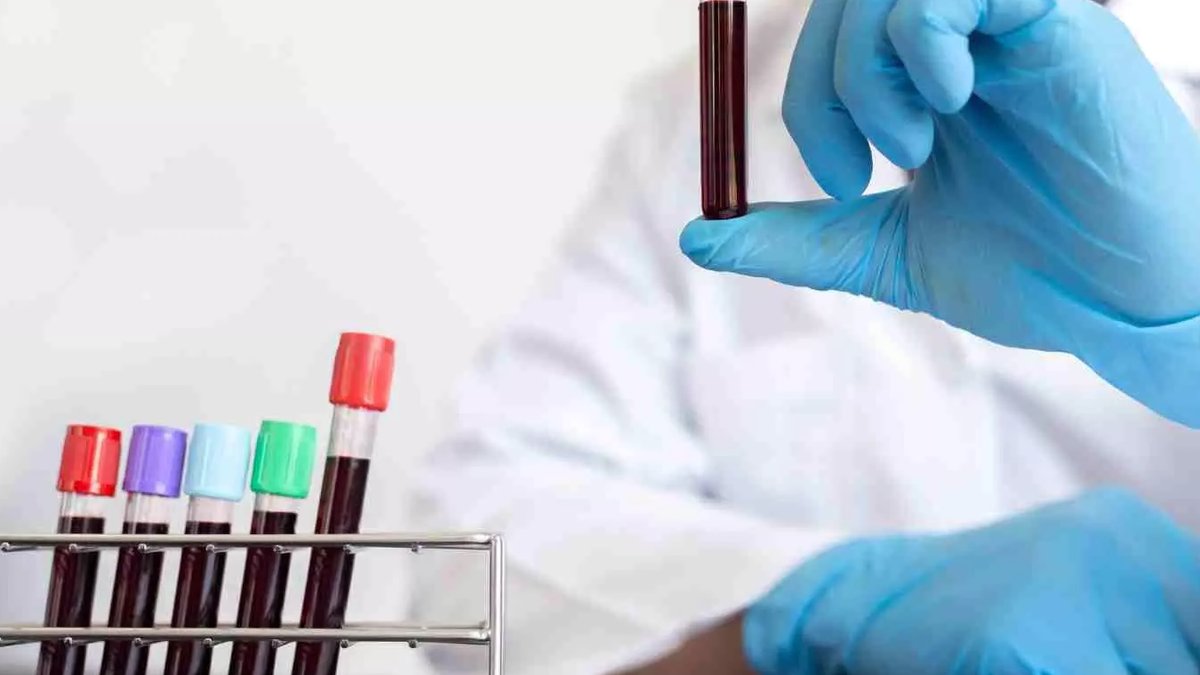
A new study suggests that tracking trends in routine blood tests, alongside unexplained weight loss, could improve early cancer detection in primary care. Researchers from the University of Oxford analyzed data from over 275,000 patients, nearly 14,000 of whom were diagnosed with cancer within six months. The findings, published in PLOS Medicine, indicate that monitoring changes in blood test results over time may reveal cancer-related patterns that single tests miss.
The study focused on 26 common blood tests used in primary care, including measurements like hemoglobin and platelet counts. While individual abnormal results can signal risk, the researchers found that 23 specific trends in blood test results were associated with higher cancer risk overall. Some trends correlated with particular cancer types: for example, shifts in white blood cell counts and neutrophils were linked to lung cancer, while changes in red blood cell counts, hematocrit, and platelet-to-lymphocyte ratios were tied to prostate cancer.
Even after adjusting for age and sex, these trends proved more accurate than single abnormal test results in identifying cancer risk. The study’s lead author, Brian Nicholson, noted that incorporating patient age and sex into the analysis could further refine risk assessments. He added that the approach is straightforward and could be implemented easily by laboratories.
Unexplained weight loss is a well-known but vague symptom linked to multiple cancer types. The researchers chose to examine it because it often triggers blood tests in primary care. However, the method may extend beyond weight loss: co-author Pradeep Virdee mentioned plans to explore whether similar trends could help assess cancer risk in patients with other non-specific symptoms, such as fatigue or vomiting.
The study’s retrospective design limits its ability to prove causation, but the data suggest a practical way to improve early detection. If validated in broader populations, this approach could help doctors prioritize further testing for patients whose blood test trends suggest higher risk, even if individual results appear normal.
For now, the findings highlight a potential tool for primary care providers. The next step will be to test whether these trends hold up in real-world settings, particularly for patients whose symptoms don’t clearly point to cancer but warrant closer monitoring.


