Study links hand inflammation to higher risk of death
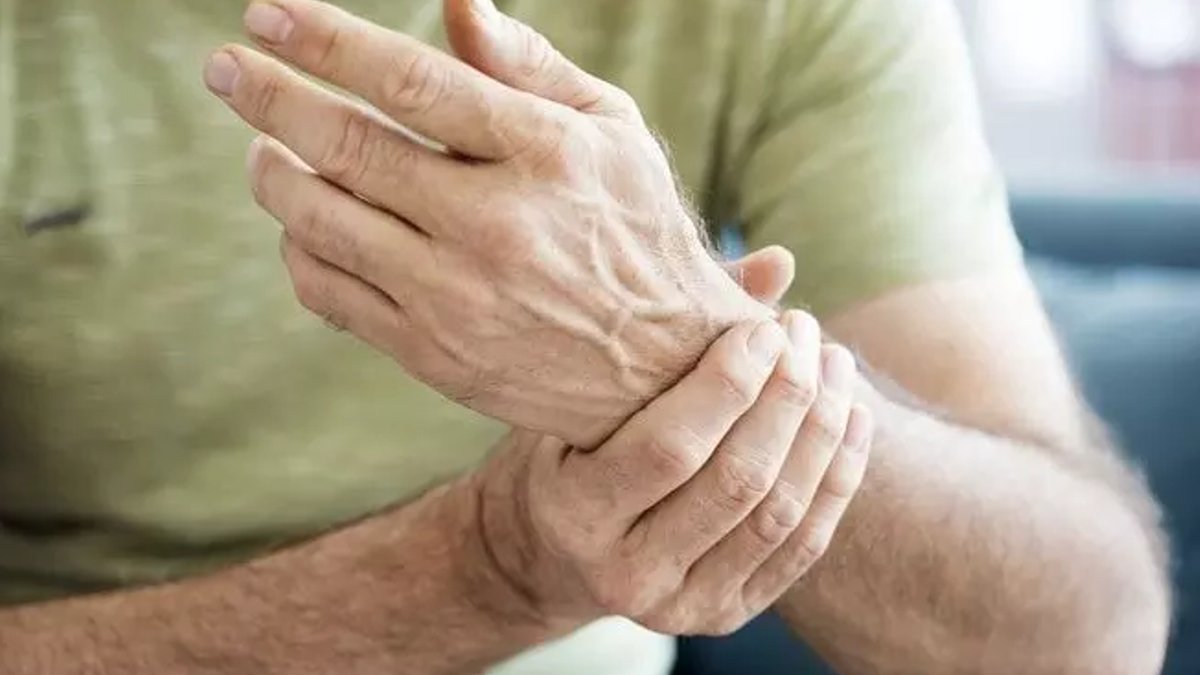
A recent study published in the journal Arthritis Care & Research indicates that hand synovitis may be linked to a higher risk of all-cause mortality. The condition involves inflammation of the synovial lining within hand joints, a common symptom of musculoskeletal illnesses. Researchers suggest this inflammation might signal underlying systemic inflammation and a larger disease burden beyond simple joint pain.
Investigators examined this correlation using the population-based Xiangya Osteoarthritis Study. The team conducted bilateral hand ultrasonography on 3,552 participants to evaluate synovitis. Mortality data was collected from local registries over an average follow-up of 5.72 years. They used Cox proportional hazards models to analyze the data, controlling for factors such as age, body mass index, smoking status, alcohol consumption, and radiographic hand osteoarthritis status. The study notes that examining this correlation might yield important information about synovitis’s potential function as a systemic health indicator.
It could serve as an early warning system for overall health, prompting a closer look at systemic inflammation that might be missed during a standard physical exam. This insight moves beyond treating the hand as an isolated injury to viewing it as a potential indicator of broader physiological stress.
During the study period, 393 of the 3,552 participants died. The results showed that hand synovitis diagnosed via ultrasound was significantly associated with increased all-cause mortality. Specifically, the adjusted hazard ratio was 1.26. When compared to those with no synovitis, individuals with bilateral involvement faced a higher death rate (adjusted hazard ratio 1.42) than those with unilateral involvement (1.20). The risk also rose with the number of affected joints, with distal interphalangeal joint synovitis demonstrating the strongest connection to mortality risk (adjusted hazard ratio 1.82).
Related Stories
 Mental Health Dispatch
COVID hospitalization raises stroke risk in seniors
 Mental Health Dispatch
Study links hand inflammation to higher risk of death
 Mental Health Dispatch
Health research agency seeks more independence
 Mental Health Dispatch