South Africa Begins Distributing HIV Prevention Injection
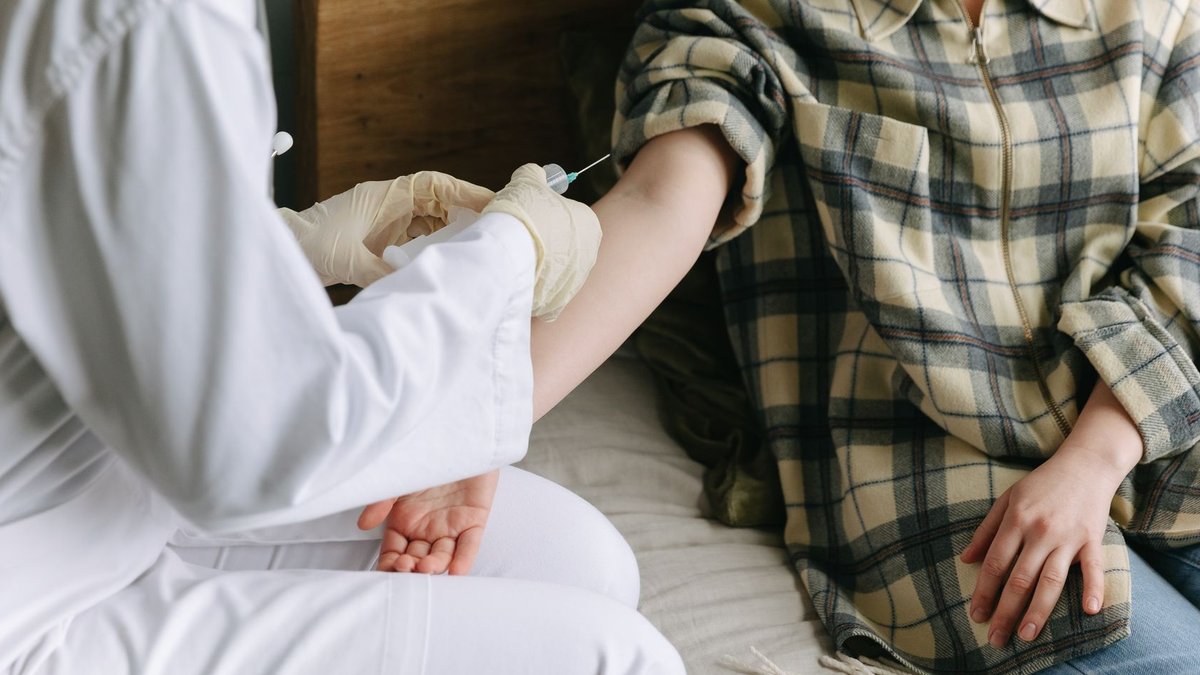
South Africa has begun distributing an HIV prevention injection that offers six months of protection, aiming to curb new infections among high-risk populations. The drug, lenacapavir or LEN, has been available through government clinics since June, with nearly 55,000 people having received the shot, according to health department data. The injection requires two doses at the initial appointment and follow-up visits every 24 to 28 weeks, providing near-complete protection against HIV without the need for daily pills.
Expanding Access Amid Challenges
LEN is currently available at 360 government clinics across six provinces, covering about one in 10 facilities nationwide. However, the Free State, Limpopo, and the Northern Cape remain without access for now. Health officials plan to expand availability by 2027 when generic versions become available, using a mix of government funds and a grant from the Children’s Investment Fund Foundation through the Global Fund. Modeling suggests that between one and two million South Africans would need to use LEN annually through 2043 to effectively reduce new HIV infections and end AIDS as a public health threat.
The rollout prioritizes groups at higher risk, including teenage girls and young women aged 15–24, sex workers, transgender women, gay and bisexual men, and pregnant or breastfeeding women. All government clinic users can choose between LEN and the daily prevention pill, both offered free of charge. The initial treatment involves two injections administered in the abdominal or buttock area, followed by two tablets taken on the day of the injection and another two the next day. Patients must return for booster shots every six months to maintain protection.
Personal Journeys with LEN
Four individuals from communities targeted by the rollout shared their experiences with the injection. Precious Mafanga, a 39-year-old sex worker and peer educator in Langa, began using LEN after years of taking daily pills. She explained that her work requires constant availability, making daily medication difficult to manage. “With LEN, I don’t have that worry,” she said. “The medicine stays in my body for six months, so I only have to go to the clinic twice a year.”
Mafanga received her injections at Delft Community Health Centre, where she waited several hours while clients called. “Sometimes we’re chasing minutes,” she said. “But I stayed and got my injections.” She emphasized that LEN helps sex workers maintain their health during outreach disruptions, though she still distributes condoms to prevent pregnancy and other infections. LEN does not protect against these risks.
Siviwe Gaika, a 24-year-old law student in Gqeberha, turned to LEN after learning about it through social media. He struggled with daily pill adherence and sought a more manageable option. His first attempt to receive LEN failed when a clinic lacked a trained nurse, and his second visit revealed insufficient certification to prescribe the medication. After three visits, he finally received the injection, waiting four hours in the general queue. “I deliberately took the pills in public because I wanted someone to ask me what I was taking,” he explained, recording the experience to share on TikTok.
Gaika reported minor side effects, including two small lumps under his skin that lasted two weeks. While he could not wear jeans or visit the gym during that time, the bumps eventually faded. “They don’t bother me anymore,” he said, noting that the injection simplified his prevention routine.
Lindiwe Mqatazana, a 25-year-old waste picker in Gugulethu, discovered her pregnancy in July and tested positive for HIV. After confirming her HIV-negative status, she chose LEN over the daily pill, which previously caused nausea. Pregnant and often traveling to the Eastern Cape, she found daily pills difficult to remember. “When you’re on the road, it’s easy to forget your tablets. Getting LEN was easy,” she said. The clinic administered her injections quickly, using ice to numb the site, and reassured her that the buttock injection was safe during pregnancy.
“There’s an unborn child now, so I have to stay safe for him or her,” Mqatazana said. She feels a small bump under her skin but reports no other side effects. As a young woman who often skips condoms, she views LEN as a critical step toward her child’s future. She plans to share the option with colleagues, recognizing its potential impact on their health.
Transgender Community Perspectives
Dimpho Tsotetsi, a 32-year-old transgender woman and peer educator in Soweto, began using LEN after experiencing difficulties with daily pills. She explained that consistent pill use had become exhausting over nine years. “You get pill fatigue,” Tsotetsi said. “You also have to remember to take your pills with you when you go out or travel.”
Her previous access to HIV prevention support came through a donor-funded transgender clinic that closed after US funding cuts. Tsotetsi received her injections at Chiawelo Community Health Centre in July, arriving at 9:15 a.m. and waiting until 10:45 a.m. She first joined a general queue for HIV testing before moving to a separate LEN queue once she tested negative.
The nurse administered two LEN tablets, followed by two injections—one in each side of her abdomen thirty minutes later. Tsotetsi reported small bumps under her skin at both injection sites, which initially caused discomfort when wearing her waist trainer. She now opts for looser clothing to manage the bumps, stating, “The bumps caused some discomfort, but that’s nothing compared with the burden of taking a pill every day.”
Related Stories
 Preventive Care Pulse
Integris Health Joins Kaiser-Backed Risant Health Network
 Preventive Care Pulse
South Africa Begins Distributing HIV Prevention Injection
 Preventive Care Pulse
African Flood Survivors’ Stories Shape Climate Policy and Research
 Preventive Care Pulse