Dutch guideline prioritizes exercise for shoulder pain
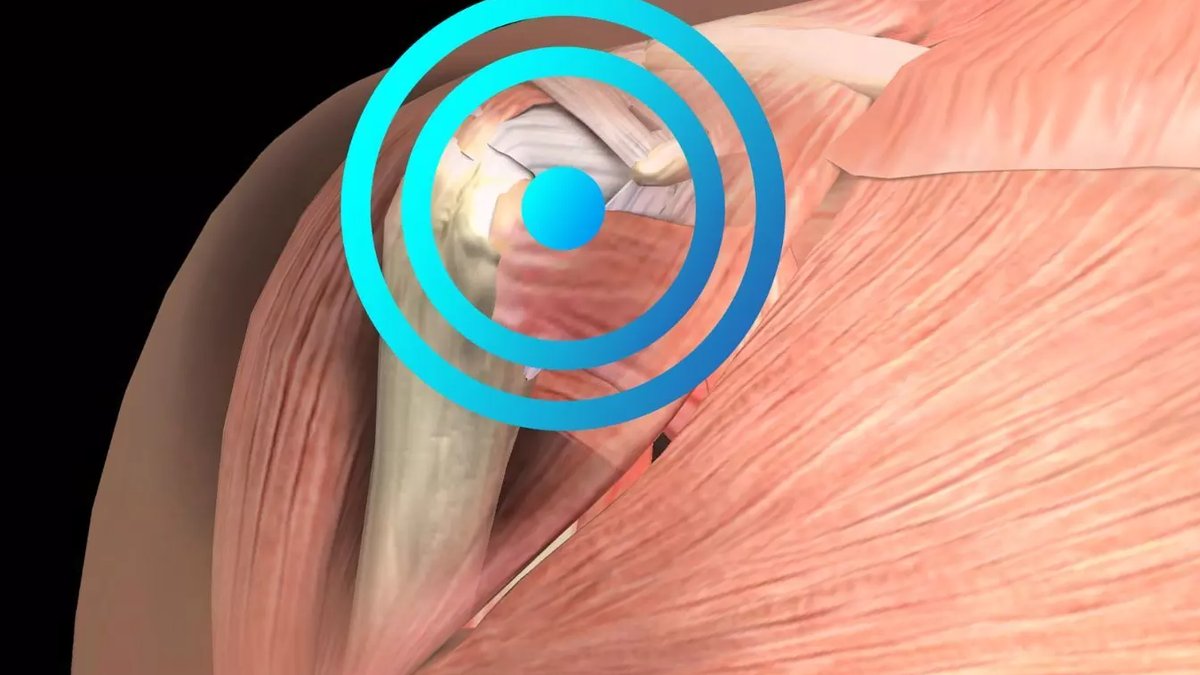
The 2026 update from the Dutch Orthopedic Association offers a stepwise, multidisciplinary plan for diagnosing and treating subacromial pain syndrome, aimed especially at primary-care clinicians.
Diagnosis and Imaging
Subacromial pain syndrome describes non-traumatic shoulder discomfort that worsens with arm elevation and includes conditions such as supraspinatus tendinosis, calcific tendinitis, and degenerative supraspinatus tears.
Physical assessment should begin with a combination of shoulder tests; the empty-can maneuver and resisted external rotation provide relatively strong predictive value when used together.
Imaging is advised only when necessary. Ultrasound is the first choice for suspected rotator-cuff tears, while MRI is reserved for cases where ultrasound is unavailable or a more detailed view is required.
Conservative Management
Exercise-based therapy forms the cornerstone of long-term care, with structured programs designed to restore shoulder function.
Short-term relief may be achieved using NSAIDs or a single subacromial corticosteroid injection, but the guideline advises against relying on these measures for extended periods.
Patients should receive counseling on lifestyle factors; smoking, obesity, and low fitness levels can hinder tissue healing, and movements that provoke pain, particularly overhead elevation and rotation, should be limited.
Read Also: Twelve-Week Hormone Pretreatment Improves IVF Outcomes
For calcific tendinitis, an initial corticosteroid injection is recommended. If pain persists, ultrasound-guided barbotage may be employed to fragment and extract calcium deposits, while the operation is limited to large, refractory calcifications.
A suprascapular nerve block is an option when other nonsurgical treatments have failed to provide relief.
Isolated, symptomatic, non-traumatic supraspinatus tears should first undergo exercise-focused therapy. If symptoms continue after three to six months, cuff repair may be considered.
Overall, the operation is to be individualized based on patient and tendon characteristics rather than applied routinely as a first-line option.
These recommendations translate into a more patient-centered approach: individuals can expect a clear pathway that starts with a thorough clinical exam, progresses through targeted exercises, and reserves invasive procedures for cases that truly do not respond to conservative care.
When Surgery Is Considered
The guideline outlines a stepped-care model that begins with assessment and selective imaging, followed by education, activity modification, and exercise therapy. Additional interventions such as NSAIDs or corticosteroid injections are permitted for brief symptom control.
Related Stories
 Insurance Coverage Desk
Dutch guideline prioritizes exercise for shoulder pain
 Insurance Coverage Desk
VA awards contract to Knowtex for AI scribes
 Insurance Coverage Desk
AI speeds trials but patient trust and data quality still
 Insurance Coverage Desk