African Flood Survivors’ Stories Shape Climate Policy and Research
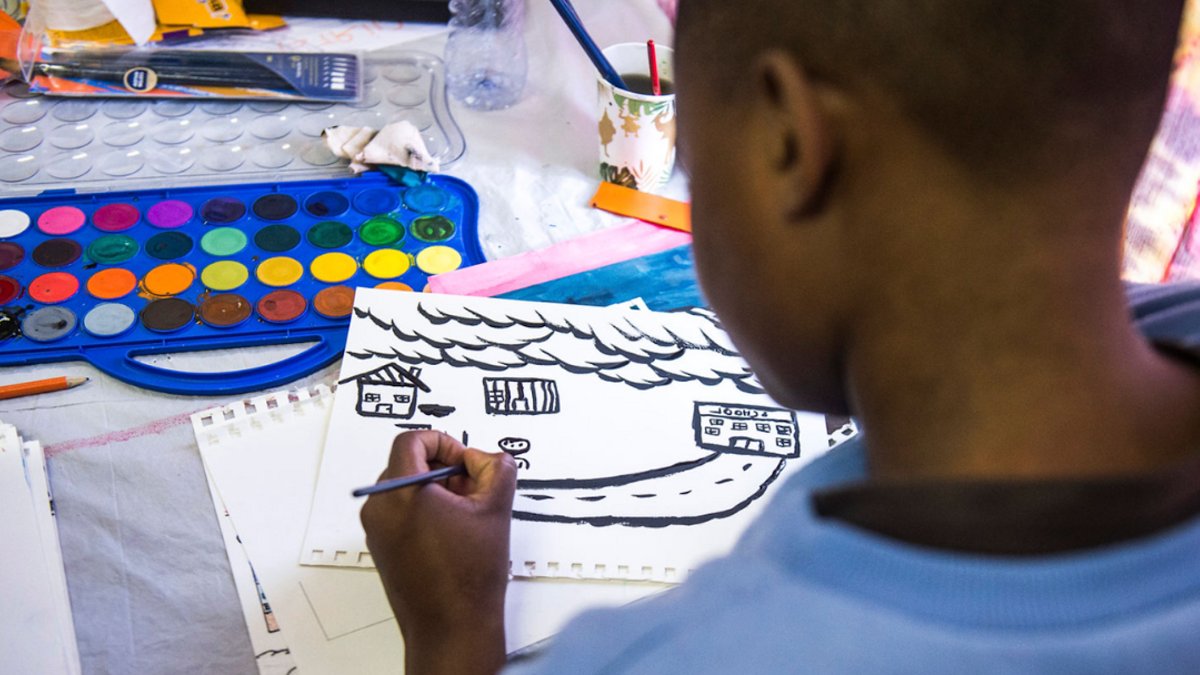
Floods, cyclones, and droughts leave lasting trauma that survey data struggles to capture. The Wema project trains community members in South Africa, Kenya, Mozambique, and Burkina Faso to build digital stories, transforming experiences into words and artwork as evidence.
These stories help set priorities for policy and research, filling a knowledge gap. Astrid Treffry-Goatley and Gill Black explain how storytelling meets science in this process.
Capturing Lived Experiences
In eMbo, Durban, Balungile and her children sleep with windows open during heavy rain. Over three years ago, torrential rain caused a neighbor’s retaining wall to collapse onto their home. The house has been rebuilt, but the wall remains unrepaired.
“Whenever it rains, I cry,” she says. “Because I never know what is going to happen.”
Researchers measure rainfall, map flooding, and record deaths and injuries. Epidemiologists estimate anxiety, depression, and PTSD rates. Yet these measurements cannot capture the fear of waiting for another wall to fall or why neighbors recall the same disaster differently.
As climate change increases extreme weather events across Africa, personal experiences matter. They help understand not only how many people are affected but also how they recover and what support they need.
The Wema Project’s Approach
The Wema project, short for the impact of extreme weather on mental health in Africa, spans four countries. It combines large-scale surveys with personal stories and artworks to build a fuller picture of how extreme weather affects mental health.
Central to the project is the idea that flood, cyclone, and drought survivors can contribute knowledge that complements scientific evidence. Digital storytelling facilitators help people create their own evidence through visual art and words.
Since early 2025, 37 community researchers from marginalized communities have worked alongside the Wema team. They share experiences, help find answers, and shape what happens next. Listening to and understanding these experiences takes time, especially when they involve trauma.
Community engagement teams, knowing local languages and cultures, create comfortable spaces for sharing personal stories. Mental health professionals provide support during and after workshops.
In Nairobi, the African Population and Health Research Centre became a creative space for reflection. Community researchers wrote, drew, painted, and recorded their stories on digital tablets, producing short videos.
Across four workshops held over six months, they shared stories of terror, loss, and resilience. These stories capture aspects of life that surveys and interviews cannot, revealing how people cope and what remains after physical damage is repaired.
In South Africa, Balungile remembered standing outside her home, unable to reach her children as the wall collapsed. In Kenya, Jane woke to bulldozers demolishing homes along a flood-prone riverbank. In Mozambique, Estrela fled with her children as Cyclone Idai swept through, losing one child to a torrent of water. In Burkina Faso, Coulibaly stood beside her flooded field, worrying about feeding her family.
These stories add depth and meaning to scientific data. They help researchers gain new perspectives, ask different questions, and uncover insights that numbers alone cannot provide.
A month later, the community came together again to analyze the stories. They identified what communities need to prepare for disasters, support mental health, and recover. Their findings are being shared with researchers, health workers, and government representatives to shape future research and policy.
Analyzing the Stories
After creating their digital stories, the community researchers reconvened to analyze the collective narratives. They watched each other’s videos, discussing themes and insights in small groups.
Using sticky notes, they jotted down observations, grouped them by topic, and debated their meanings. This process allowed them to identify recurring issues, surprises, and emotional patterns, deepening their understanding of mental health challenges and coping mechanisms.
By placing community researchers at the center of interpretation, the Wema project ensures that the evidence generated reflects lived realities and addresses the most pressing needs.
Integrating Knowledge for Impact
While the digital stories were being created, Wema scientists conducted large-scale household surveys to measure the mental health impacts of extreme weather using numerical data.
Social scientists then compared the survey findings with the digital stories, identifying areas of alignment and divergence. This integration of quantitative and qualitative data provides a richer understanding of mental health challenges.
The project’s findings are being disseminated through local workshops involving community researchers, engagement teams, academics, health workers, and government representatives. Together, they are identifying priorities for future research, policy, and practice.
Related Stories
 Preventive Care Pulse
Integris Health Joins Kaiser-Backed Risant Health Network
 Preventive Care Pulse
South Africa Begins Distributing HIV Prevention Injection
 Preventive Care Pulse
African Flood Survivors’ Stories Shape Climate Policy and Research
 Preventive Care Pulse