Floods Contribute to 25% of Mental Disorders in Africa
Floods contribute to one-fourth of all mental disorders across a four-nation analysis regarding climate impacts on wellbeing in Africa, per the Wema team. Anna-Maria van Niekerk, a veteran reporter specializing in human rights and health, holds the titles of Vodacom Journalist of the Year (2002) and Discovery Health Journalist of the Year (2010) for investigations into muti trade practices in Limpopo and the effects of HIV denialism.
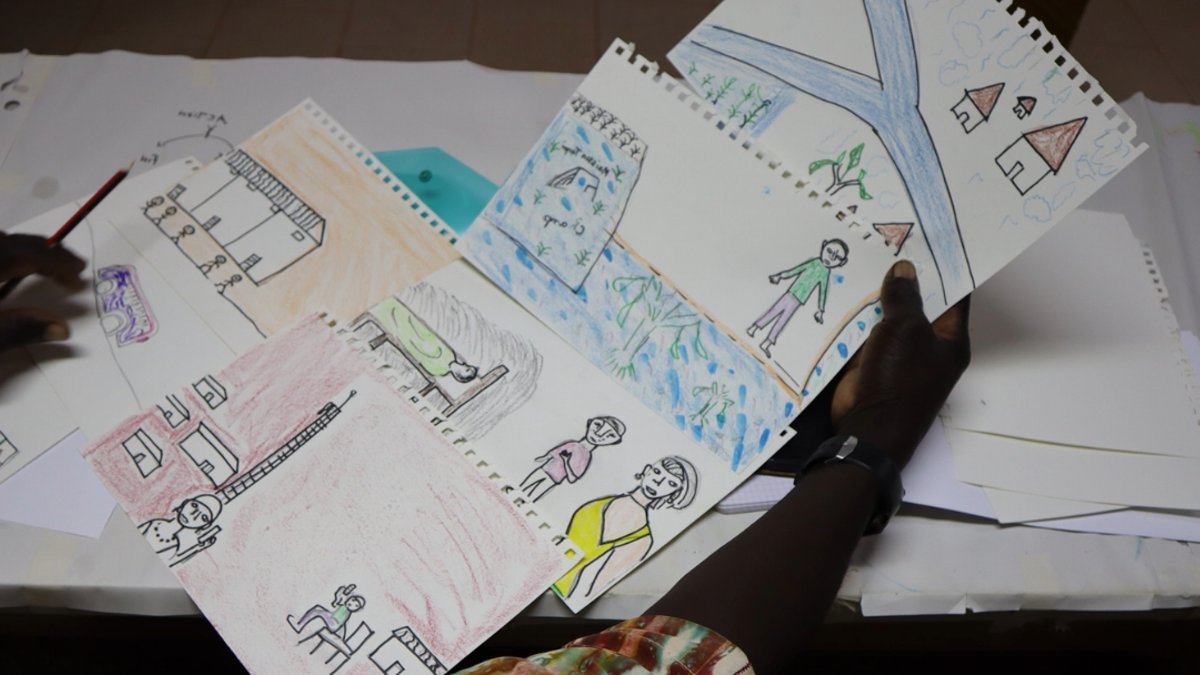
In Beira, Mozambique, survivors of Cyclone Idai in 2019 say the disaster continues to haunt them years on, with rain, flooding and threats of more storms bringing back fear and painful memories.
The study found higher levels of anxiety, depression and post-traumatic stress among people who have lived through floods. Researchers say support needs to arrive quickly after a disaster, with community health workers requiring training to identify those who may need counselling. Mia Malan, founder and editor-in-chief of Bhekisisa, brings over 30 awards from her work in newsrooms across Johannesburg, Nairobi, and Washington, DC, to this research, combining expertise in radio, print, and television journalism.
Read Also: FibroFind names fibrotic disease expert as new Chief Medical Officer
In Khayelitsha, Cape Town, University of Cape Town researchers discovered that living in informal homes makes it harder to get a good night’s sleep when temperatures are scorching. Jeannine Snyman, with over 25 years of experience in TV production across all aspects of the production chain, contributes to the team’s investigation of how climate impacts daily life.
Solutions can be as simple as a lick of paint. Special roof paint can reduce indoor temperatures by up to 7°C, while installing ceilings and solar fans also makes a difference. These interventions address both immediate comfort and long-term health outcomes, particularly in underserved communities where infrastructure is limited.
COP31 approaches in just over a month, with protecting people from flooding and other weather disasters high on the agenda.


