Copper Peptides Benefit Skin And Hair
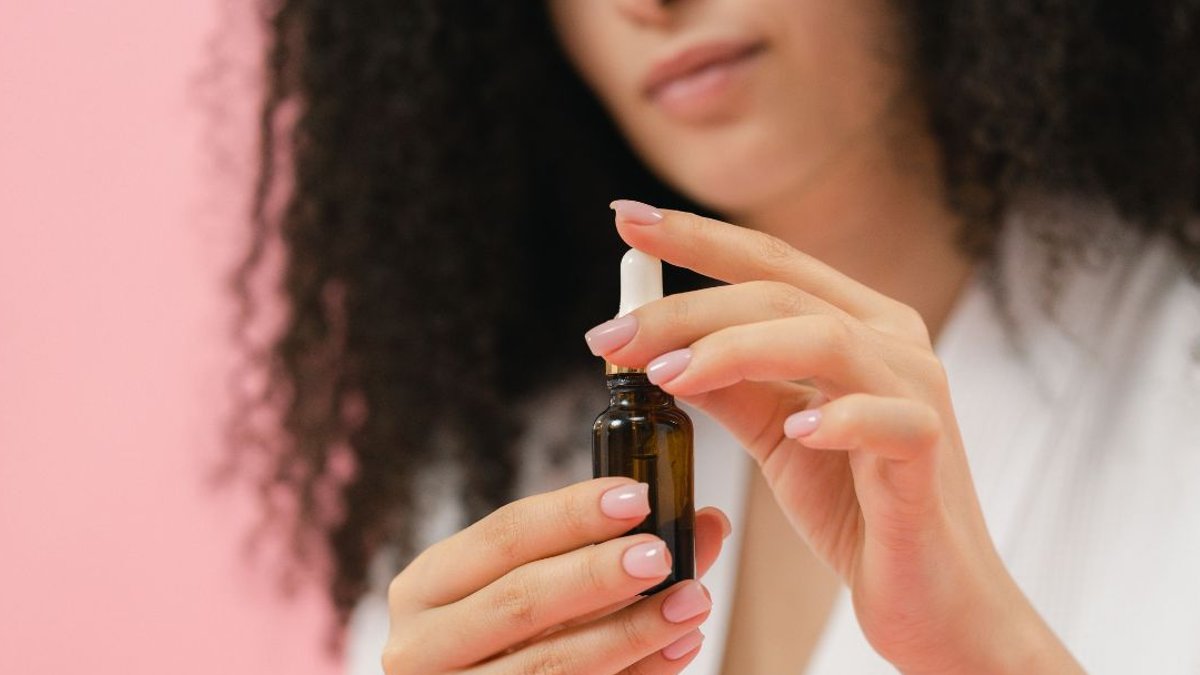
Copper peptides are naturally occurring compounds found in the human body that bind to copper ions to form complexes like GHK-Cu. They exist in the circulatory system and play a significant role in tissue repair. In recent years, these molecules have gained attention in dermatology for their ability to stimulate collagen and elastin production. As research into peptide science expands, the scope of these compounds has moved beyond simple skincare into broader areas of tissue regeneration.
Benefits for Skin
The primary appeal of copper peptides lies in their anti-aging properties. By promoting collagen synthesis, they help reduce the visibility of fine lines and wrinkles. The Cleveland Clinic notes that improved protein synthesis leads to higher skin suppleness and reduced sagging. This structural support is vital for maintaining a youthful appearance over time.
Beyond wrinkles, the compounds improve skin texture by accelerating cell turnover. This process allows the skin to renew itself at a faster rate, resulting in a smoother surface. The combination of enhanced collagen production and better texture contributes to a more refined look. Additionally, GHK-Cu acts as a potent anti-inflammatory agent. It helps reduce irritation and redness, which facilitates the tissue repair process.
Related: Top picks for nursing school TEAS prep
Scientific research also confirms their ability to accelerate healing from abrasions and injuries. This can reduce the possibility of scarring. While the biological mechanisms suggest strong potential, users should maintain realistic expectations regarding timeline and individual response. The gap between clinical studies and commercial formulations can sometimes be wide, meaning consistency remains the most reliable variable for noticeable change. It is not an overnight solution, but rather a cumulative process.
Hair and Scalp Health
Applications for these compounds extend into hair care. Studies suggest they can stimulate scalp blood flow. Increased circulation may wake up dormant hair follicles and prolong the growth phase of hair. According to Healthline, men and women with mild to moderate hair loss might use these treatments to reduce thinning and promote regrowth.
The peptides also strengthen natural protein molecules within the hair strands. This reinforcement helps reduce the occurrence of split ends and breakage. Maintaining the volume and texture of hair depends largely on this internal strength. Furthermore, the anti-inflammatory properties soothe the scalp. A healthy scalp environment is essential for facilitating the growth of thick, healthy hair.
Related: Key Details Needed for Wheelchair Fittings
Application and Safety
To experience these benefits, introducing the ingredient into a regular routine is essential. Products come in various forms, including serums, masks, and topical solutions. For best results, the ingredient should appear high on the product list. On the skin, they are usually applied after cleansing but before moisturizing. For hair, application typically focuses on the scalp prior to washing.
Consistency is important. Most users apply the product once daily. Results typically begin to appear after four to eight weeks of consistent use, though this varies by individual. Before applying a product to a large area, a patch test is advisable. This helps identify potential irritation or allergic reactions.
While generally regarded as safe, topical application may cause mild side effects. These can include temporary redness or itching. Individuals with sensitive skin might consider lower concentrations. It is also important to consider ingredient interactions. Experts advise avoiding using copper peptides at the same time as highly acidic solutions, like alpha-hydroxy acids, or vitamin C. Using them on alternate days can prevent adverse reactions. If lasting discomfort occurs, use should be discontinued and a healthcare provider consulted. This wide range of benefits are why copper peptides are frequently featured in current clinical research and beauty regimens.


