When to worry about breast lumps
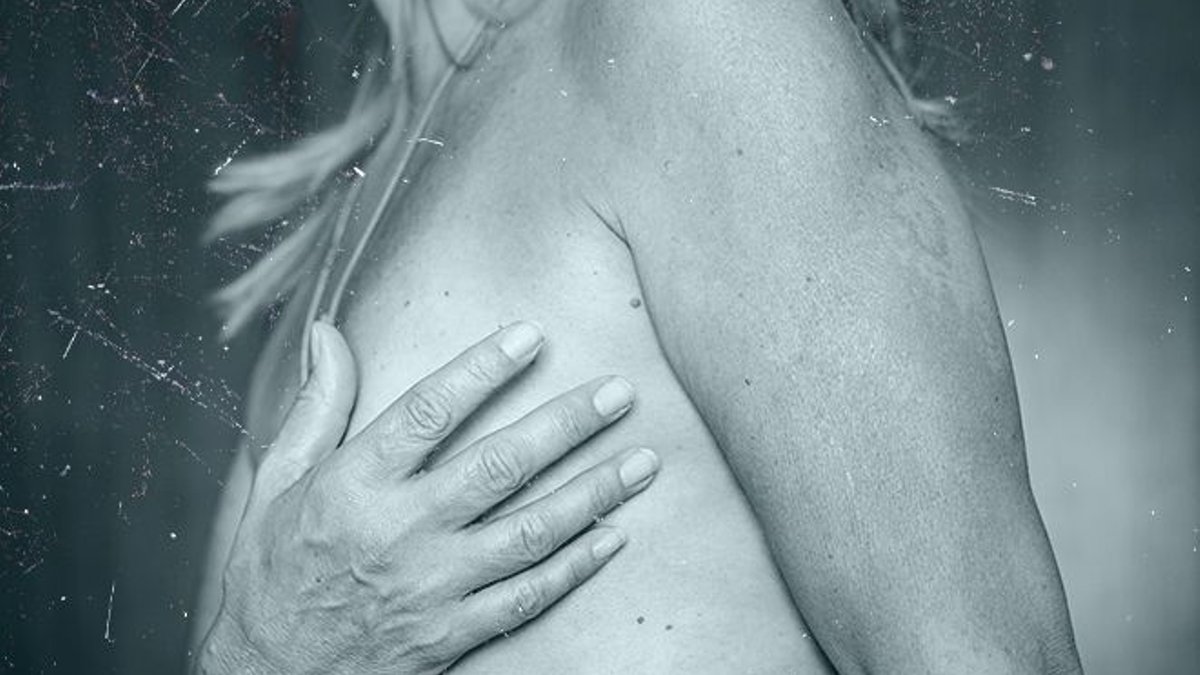
A breast lump doesn’t always indicate cancer. Certain traits—such as hardness, uneven edges, or immobility—may require medical assessment.
How to tell if a breast lump might be cancerous
Cancerous lumps usually feel firm and have irregular edges. They often stick to surrounding tissue, making them difficult to move. Unlike harmless lumps, they don’t shrink and may increase in size over time.
Additional signs include nipple discharge, skin color changes, or dimpling that looks like an orange peel. These symptoms can occur in both women and men, though the condition is far less common in males.
Size alone isn’t a dependable sign. A lump can be tiny or large. The main risk is that untreated growths may spread to other areas. Early detection leads to better outcomes, so any new lump should be examined by a doctor.
Related: Gum disease linked to heart problems
Most breast lumps are not dangerous. Cysts, for instance, are fluid-filled sacs that often swell before menstruation. They may feel soft or firm and sometimes disappear without treatment. Fibroadenomas, another common type, are smooth, rubbery, and easy to move. These occur most often in women in their 20s and 30s and typically don’t need removal unless they enlarge.
Some non-cancerous conditions, such as atypical ductal hyperplasia, raise the risk of future breast cancer. A doctor might suggest monitoring or preventive measures in these situations.
Regular self-exams help people recognize their normal breast tissue. Women should perform them after their period ends. Using finger pads, they should check the entire breast and underarm area with varying pressure, watching for lumps, thickening, or texture changes. Looking in a mirror with arms raised and lowered can reveal surface changes like dimpling.
Men should also check for lumps, though routine screening isn’t standard unless symptoms appear.
Related: WHO director-general concerned after Ebola outbreak area visit
When to see a doctor
Any new lump should be checked by a healthcare provider. Self-exams can’t confirm whether a lump is dangerous. A doctor may recommend imaging or a biopsy for a clearer answer.
While most lumps are harmless, risk depends on age and family history. Men don’t have standard screening guidelines, so noticing changes is especially important.
If a lump feels hard, has uneven edges, doesn’t move, or lasts, it should be evaluated. Other warning signs include nipple changes, skin dimpling, or ongoing pain. These don’t always mean cancer, but they justify a professional opinion.
Many people will have a harmless breast lump at some point. The difficulty lies in knowing when to act—and when to accept normal bodily changes. The best practice is to view any new lump as a reason to consult a doctor, not as a final diagnosis.


