Faster Walking May Halve Seniors’ Cognitive Decline Risk
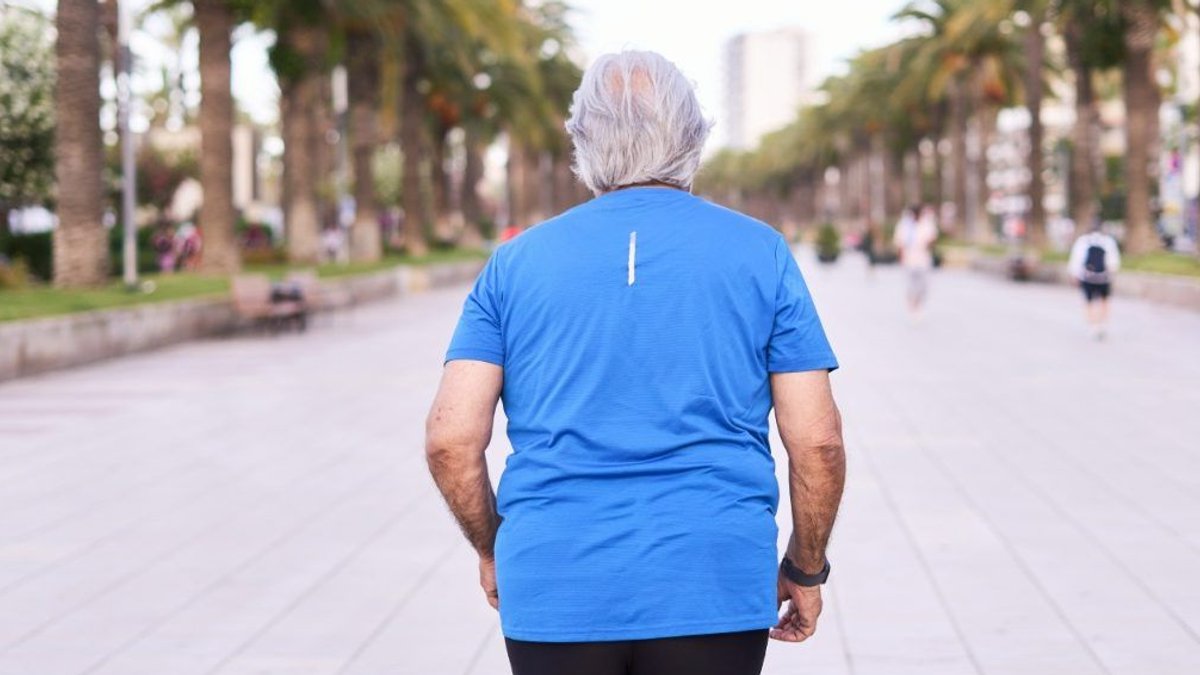
Older adults who naturally walk faster appear to have about half the risk of cognitive decline compared with peers who move more slowly, according to a new study published in Neurology. The research examined people in their 80s, measuring their usual gait speed alongside brain scans, cognitive tests and, in some cases, postmortem analysis of dementia‑related pathology.
Study design links gait to brain health
Researchers divided participants into “super movers” and “non‑super movers” based on how quickly they walked a short distance. Those classified as super movers not only performed better on memory and reasoning tasks but also showed healthier brain structures on MRI. The study noted that faster walkers were roughly 50 % less likely to develop measurable cognitive impairment over the follow‑up period.
Walking requires coordination among the brain, nerves, muscles and the cardiovascular system. Subtle reductions in speed can therefore signal early changes in these systems before overt memory problems become apparent. The investigators emphasized that gait speed is a low‑cost, quick measure that could be added to routine geriatric exams, offering clinicians a practical way to flag patients who might benefit from more detailed cognitive evaluation.
Interpretation and limits
Lead author Joe Verghese, MD, MS, FRCPI clarified that the findings do not prove that walking faster prevents dementia. “Our study found that older adults 80 years and older with faster walking speeds (‘super movers’) had about half the risk of developing cognitive impairment compared with their age peers,” he told Medical News Today. He added that many of the faster walkers also maintained better cognitive function despite similar levels of brain pathology, suggesting possible resilience mechanisms.
Because the investigation was observational, it cannot establish cause and effect. Slower walking may simply reflect underlying brain changes rather than drive them. Verghese noted that gait speed should be interpreted alongside other health factors such as joint conditions, heart disease and overall fitness, which can all influence how quickly a person moves.
Related: STAT readers weigh in on primary care and obesity
Regular physical activity remains a cornerstone of healthy aging. The study’s authors reaffirmed recommendations for aerobic and strength‑training exercises, good vascular risk‑factor control, social engagement, adequate sleep and balanced nutrition as ways to support both mobility and cognition.
When comparing this work to earlier research on physical activity and brain health, the pattern seems consistent: mobility metrics often correlate with cognitive outcomes. However, the specific focus on natural walking pace, rather than total activity volume, adds a subtle angle that could help clinicians identify risk earlier.
Future investigations will need to test whether interventions that improve gait speed—such as targeted physiotherapy or balance training—can also reduce the incidence of dementia. Until then, clinicians are encouraged to view walking speed as a useful, though not definitive, indicator of brain health in older patients.
Walking speed matters.


