Red Light Therapy: Benefits, Risks and Home Use
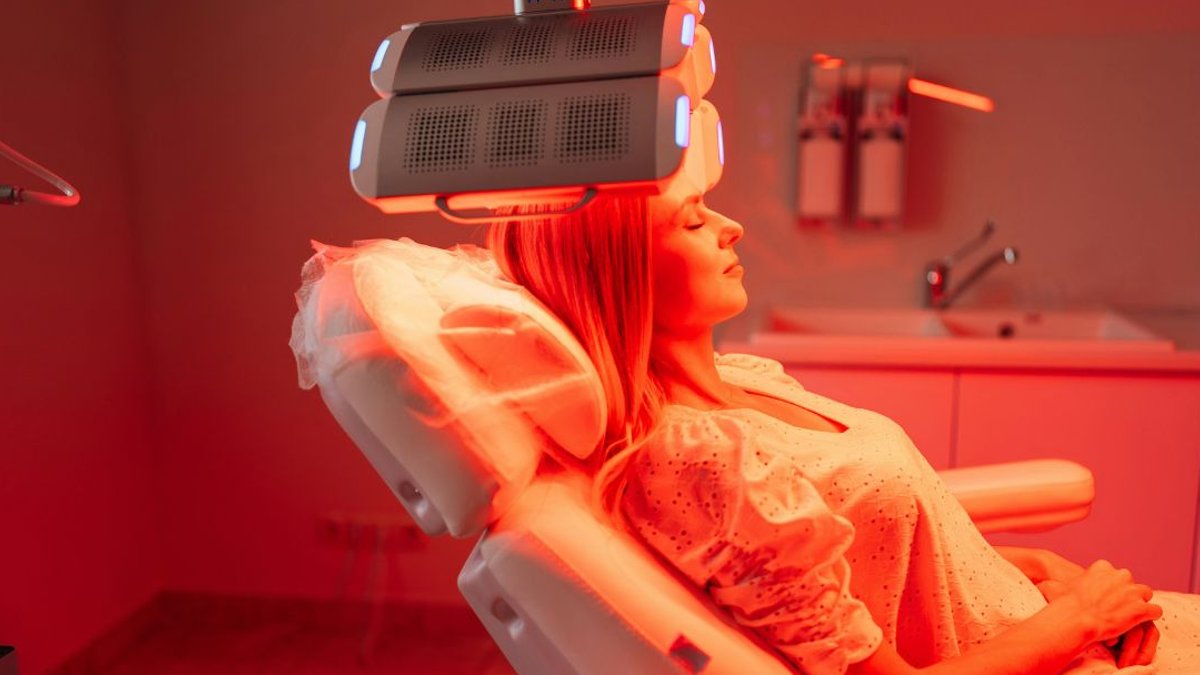
Red light therapy has moved from exclusive clinics to everyday homes. The photobiomodulation technology trend attracts people who want gentle health solutions. The scientific name for this practice is photobiomodulation, a technology using specific red and near infrared light wavelengths to interact with tissues. Unlike UV light, these forms are non-ionizing and do not damage cells. Most home devices use two primary ranges: 660nm red light for skin health and 850nm near infrared light for deeper penetration into muscles and joints. Many devices combine both wavelengths, offering safe and gentle treatment that works without heat or pain.
Scientists check the effects of light energy on cellular processes. The mitochondria are your cells’ energy centers. Certain wavelengths may influence mitochondrial energy production, triggering positive responses. This research attracts wellness consumers, athletes, and beauty enthusiasts. People interested in recovery also find it useful. The therapy offers a non-invasive health option and many studies support its potential benefits.
Researchers still study this therapy to find new data. The science behind it is fascinating. While the mechanisms are not fully understood, the results observed in clinical trials are encouraging. This gap between known results and ongoing research suggests the technology is still evolving. Consumers currently use it in their daily routines, treating everything from localized pain to skin conditions.
Selecting a Device
The market offers many red light therapy devices, so checking which one is good should be based on some key differences. The first step is considering wavelength selection. A quality device states its wavelengths clearly, so find one with 660nm and 850nm. Consider the coverage area as well. Smaller devices target specific parts, while larger mats cover the whole body. Never ignore the ease of use. When you are picking home wellness tech, consider convenience, which offers easy setup for daily integration. You will stick with a consistent routine if the device is easy to use.
Companies like Wondear red light therapy technology make this technology accessible. They help consumers explore at-home therapy with confidence. You should also check the device power output. Higher power often means shorter sessions, which can be more convenient for busy schedules. The company’s approach focuses on making complex science simple for the average user.
Power output and wavelength consistency are the most important technical specifications to verify before buying. A device that fluctuates in intensity might not deliver the promised benefits. Always read the specifications carefully to ensure the unit matches the claims made by the manufacturer.
Safety Considerations
Everything associated with health needs safety consideration. Red light therapy devices use low level light without UV radiation. This design makes them generally safe. Follow the instructions of the manufacturer. Use eye protection when recommended. Consult your doctor if you have medical concerns, as some medications increase light sensitivity. A doctor may give personalized advice.
Understanding your device is important. Correct usage ensures a positive experience. Do not overuse the device in early sessions. Start with shorter times and increase gradually. Always start with a low intensity setting. Your skin may feel slightly warm during use, which is a normal reaction to the light exposure.
The Future of Home Treatment
We clearly observe a broader wellness shift by seeing the growth of red light therapy. People prefer personalized health solutions and, more importantly, if they get it at home. They are no longer afraid of doing medication at home, and even prefer daily routines over professional visits. This trend will likely continue.
Device designs are improving each year. Research expands the human understanding of photobiomodulation, which is making home devices more effective and user-friendly. This technology connects science with personal wellbeing. It offers convenience that busy people love. The home wellness market will keep evolving. Red light therapy will remain important. Consumers will find new options in the future with better information. The future looks bright for this technology. More people will adopt it at home.
As the technology matures, integration with other wellness gadgets may become common. Users might one day see photobiomodulation as a standard feature in smart home ecosystems, blending seamlessly with sleep trackers and fitness monitors to create a holistic health profile.
To maintain cognitive sharpness and improve memory retention, engaging in regular mental exercises is essential. Activities that challenge the brain, such as puzzles or strategy games, can help build cognitive resilience over time. [1] For families seeking structured activities, kids brain games provide an effective way to stimulate mental development in a fun setting. Additionally, stepping away from screens to connect with nature can significantly reduce stress levels and improve overall well-being. Planning a getaway to a natural setting allows individuals to recharge their minds and bodies. [2] Following a nature retreat planning guide ensures that such experiences are organized and beneficial.


