Liverpool launches lab for disease drug discovery
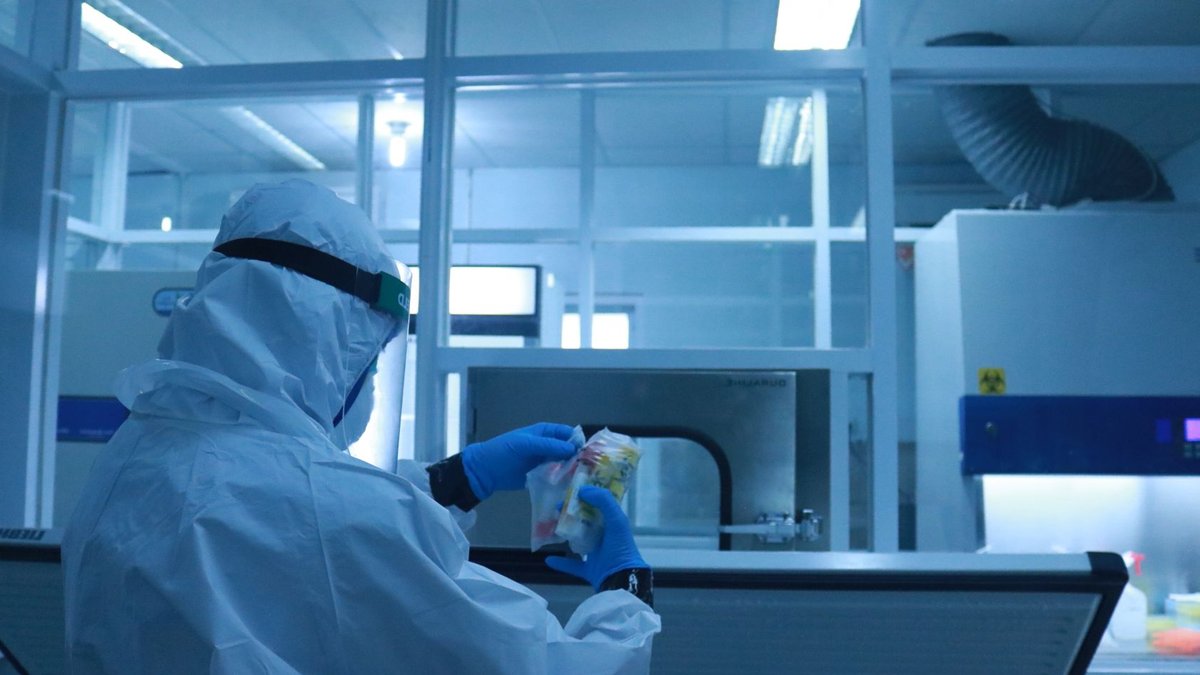
Liverpool has launched a £20m laboratory to accelerate drug and vaccine development for infectious diseases. The Liverpool Accelerate Laboratory uses robotics, artificial intelligence (AI), and human organoids to speed up the process.
The laboratory was developed through the Infection Innovation Consortium (iiCON) at Liverpool School of Tropical Medicine (LSTM), with £10m of funding from the Liverpool City Region Combined Authority. It is set to open fully in 2027 and will be available to academic and industry partners.
The facility includes a secure Containment Level 3 (CL3) laboratory and automated liquid handling and robotic systems, meeting Schedule Five biohazard security requirements. A key focus will be the use of organoids, which are miniature versions of organs grown from human cells.
Read Also: Health groups urge governments to tackle COPD crisis
These models are intended to provide a more human-relevant indication of how potential treatments affect the body than animal-based testing. The laboratory will offer models including liver, lung, tonsillar, and skin organoids, allowing companies to investigate potential drugs and vaccines.
Professor Janet Hemingway, founding director of iiCON, said the facility would provide a platform for companies to develop new approaches to infectious disease research. “Research using human organoids is at the cutting-edge of infection R&D – moving drug discovery away from animal testing and offering new ways of shaping more targeted treatments,” she said.
The laboratory is expected to generate £40m of investment during its first three years, according to iiCON, while supporting collaborations between industry, academia, and the NHS. This approach forms part of the UK government’s £75m roadmap for developing alternatives to animal testing in scientific research.


