Breast cancer frequently targets bones
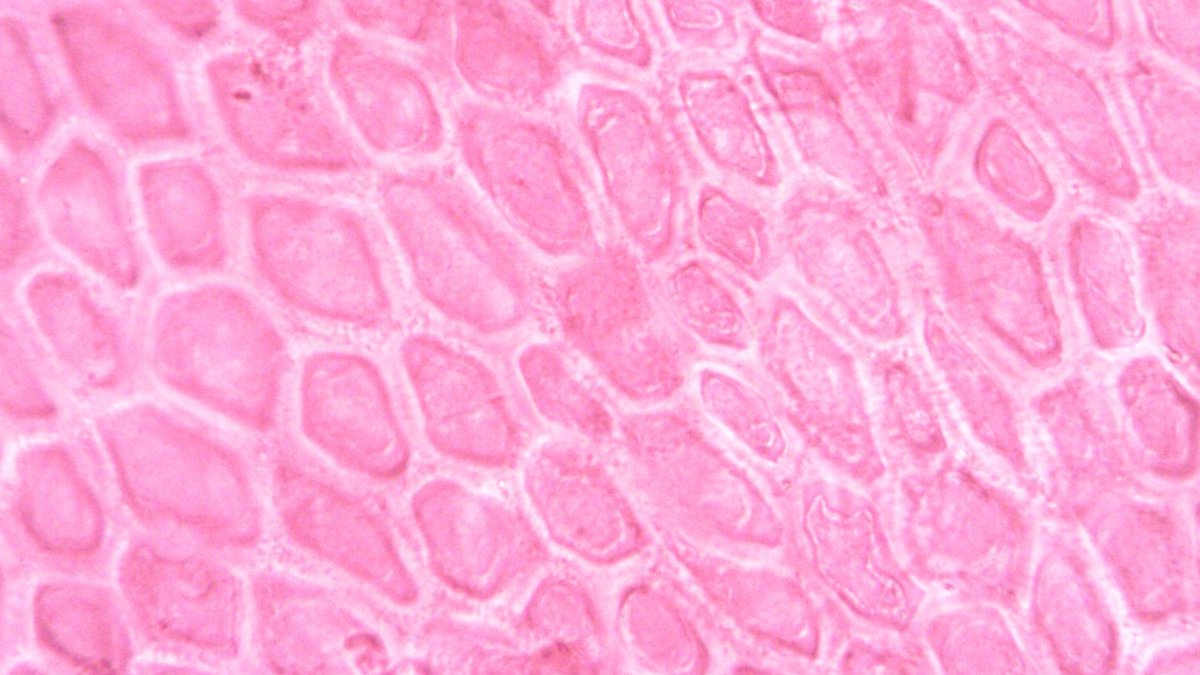
Breast cancer spreads to bone more often than to any other part of the body, with the spine, ribs, pelvis, and thigh bones being the most common sites.
These bones have the richest blood supply, making them prime targets for circulating cancer cells. Once there, the cells disrupt the normal balance between bone formation and breakdown, leaving bones weak and prone to fractures.
How the spread happens and its effects
Cancer cells travel through the bloodstream or lymphatic system and lodge in bone marrow. They interfere with osteoblasts, which build new bone, while overstimulating osteoclasts, which break it down. The result is porous, brittle bone that can snap under minor stress.
In the spine, the damage may compress the spinal cord. If untreated, this compression can cause numbness, arm or leg weakness, or even paralysis. Patients might also develop high calcium levels in the blood, leading to nausea, confusion, or digestive issues.
Symptoms don’t always appear immediately. Some discover bone metastasis only after an imaging scan or a sudden fracture. Others experience persistent bone pain that doesn’t improve with rest.
Diagnosis and survival
Doctors confirm bone metastasis using imaging tests such as X-rays, bone scans, CT, MRI, or PET scans. A biopsy provides a definitive diagnosis.
A 2018 study of 17,000 Danish women revealed survival rates after diagnosis. Half of those with bone metastasis were alive one year later. The rate dropped to 25% at three years and 13% at five. Early detection of the original cancer and metastasis limited to a single bone improved these outcomes.
Related: Sleeps Role in Mental Health Explored
Hormone receptor-positive breast cancer spreads to bone most frequently. While it grows more slowly than other subtypes, it has a strong affinity for bone tissue. The advantage is that it often responds well to hormone therapy, which blocks the hormones fueling tumor growth.
Though bone metastasis is rarely curable, treatments can slow its progression and manage symptoms. Patients usually receive a mix of systemic therapies—chemotherapy, targeted drugs, or immunotherapy—and localized treatments like radiation or surgery.
Treatment and managing symptoms
Intravenous radiation delivers radioactive particles directly to affected bones. External radiation shrinks tumors and eases pain. For isolated lesions, radiofrequency ablation uses an electric probe to freeze and destroy cancer cells.
Medications similar to those for osteoporosis help prevent fractures. These drugs slow bone breakdown and reduce pain. Pain relievers, steroids, and physical therapy also help manage symptoms.
Surgery becomes necessary when bones are severely weakened. Metal plates, screws, or bone cement stabilize fractures or reinforce vulnerable areas. Joint replacement is sometimes required.
Most patients receive a customized combination of these treatments. The focus isn’t just on fighting the cancer but on maintaining mobility and quality of life.
The reason breast cancer favors bone remains unclear. Research continues, but early detection and prompt treatment remain the most effective ways to manage the disease.


