History of smog war echoes in wildfire smoke
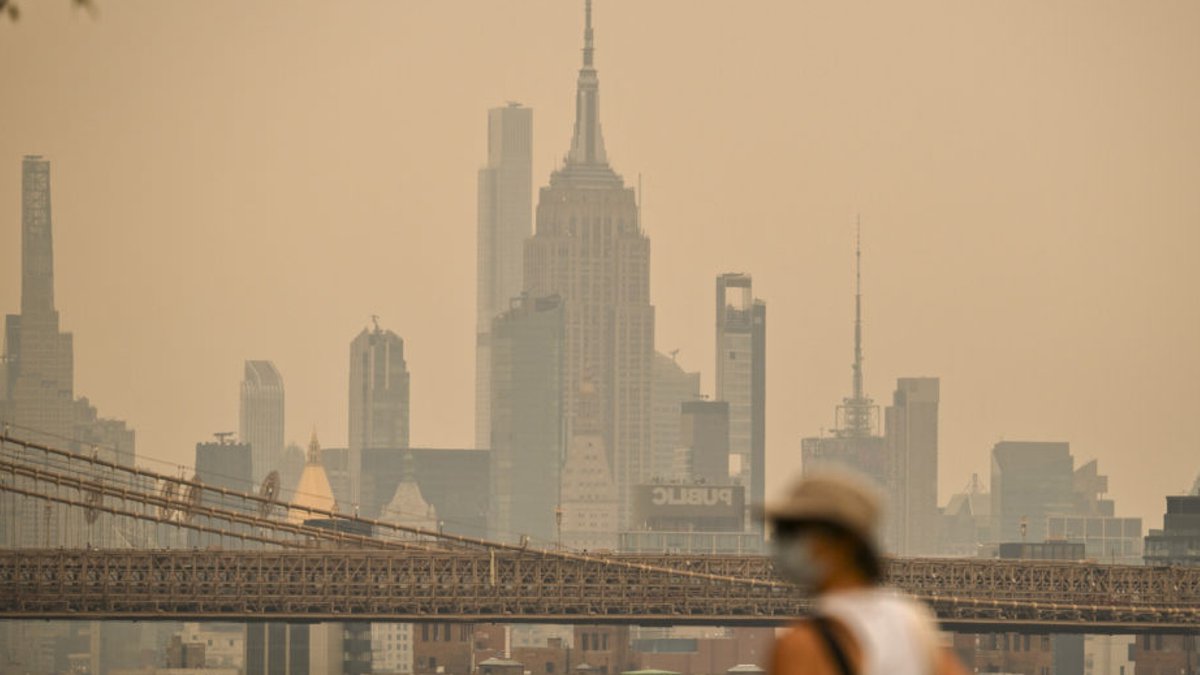
Wildfires have burned millions of acres across Canada, and smoke has drifted into cities throughout the United States, pushing air quality to unhealthy levels. In New York City, emergency room visits for asthma exacerbations rose by 31% by the end of the first day. The timing could not have been worse for a city already enduring the second major heat wave of the season.
Related: STAT readers weigh in on primary care and obesity
The link between fossil fuel combustion, a warming climate, and extreme weather is becoming harder to ignore. Some view these events as proof that the climate crisis is already overwhelming, yet history shows that health‑related environmental emergencies can become catalysts for change.
What the Post‑War Smog Crisis Can Teach Us
In the years after World War II, industrialized cities faced an overwhelming challenge: air pollution. Regulations were virtually nonexistent, and garbage was often incinerated instead of hauled to landfills. The spread of cars and coal power, combined with weak emission standards, created dangerously polluted air, leaving soot on cars and windowsills.
Related: Graham’s Death Raises Medical Questions
Scientists knew that carbon monoxide, particulate matter, ground‑level ozone, sulfur dioxide, and nitrogen dioxide each carried health risks, but effective regulation remained elusive for decades. The turning point arrived after cities experienced severe smog events caused by pollutants trapped by stagnant air. The air turned brown, and large numbers of residents suddenly fell ill or died.
The Great Smog of London in 1952 lasted five days, causing tens of thousands of illnesses and 12,000 deaths. That disaster directly led to Britain’s Clean Air Act of 1956, which curbed industrial emissions. In November 1966, New York City faced its own alarming smog, with sulfur dioxide and carbon monoxide levels soaring. Emergency messages on television, radio, and in print urged people to reduce energy use and stay indoors, and about 200 people died.
Related: Revolution Medicines ships experimental pancreatic cancer drug
Public demand for action was swift. Within a month, the city updated its administrative code to expand air‑pollution monitoring and cut emissions. Media coverage resonated across the country.
The Link Between Smog and Climate Change
Related Stories
 Clinical Trial Digest
Manchester NHS tests AI tools in real-world care settings
 Clinical Trial Digest
Facial Aging: Expert Reveals Effective Treatments and Myths
 Clinical Trial Digest
Motherhood Shapes Beekeeper Founder’s View on Nature
 Clinical Trial Digest