No Link Found Between Circumcision And Autism
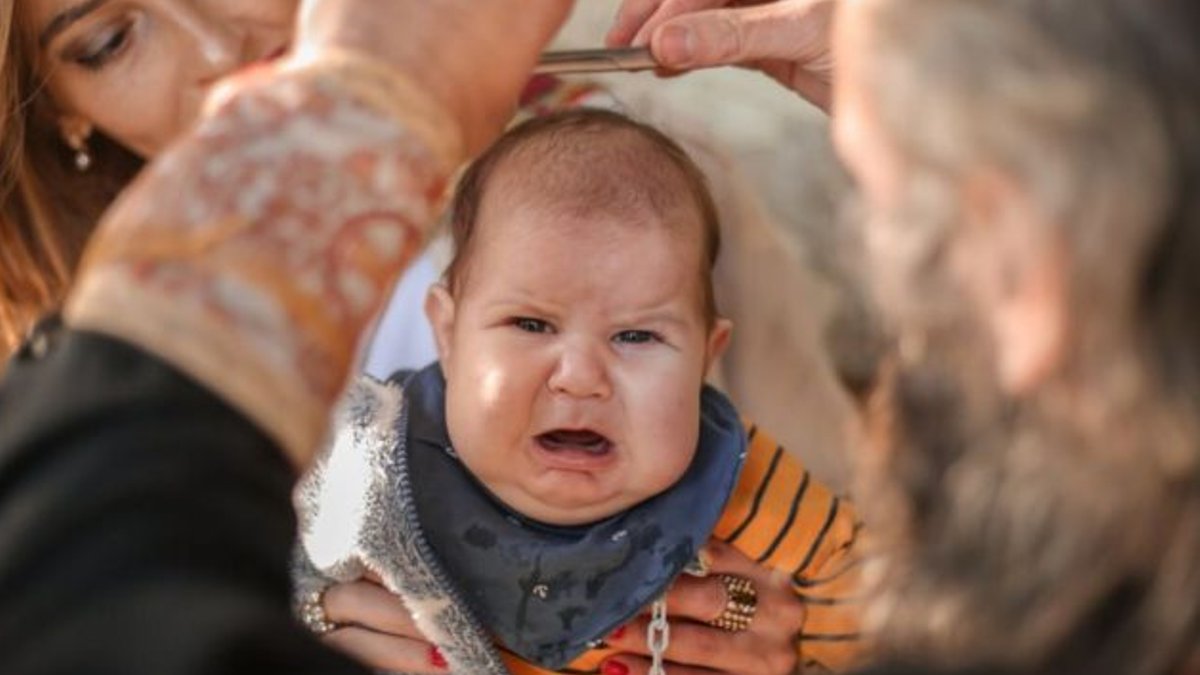
A new study published in JAMA Pediatrics has found no evidence linking neonatal male circumcision to autism spectrum disorder. Researchers led by Dr. Monica McGrath, a professor at Johns Hopkins, analyzed extensive medical records to test a hypothesis that has circulated despite limited scientific support. The report states the team found it easy to disprove any connection between the procedure and subsequent diagnoses.
The researchers utilized data from the Environmental influences on Child Health Outcomes (ECHO) Program. This is a large, government-sponsored research consortium that combines 69 cohort studies tracking children born across the United States. The goal was to determine if male children with an autism diagnosis were more likely to have been circumcised as infants.
Adjusting for Genetic Factors
The researchers looked at records for 37,102 male infants who participated in the ECHO cohort study between 2003 and 2025. To ensure accuracy, the study design accounted for potential confounding factors. Genetics play a significant role in autism, so investigators excluded boys from multiple births and those with siblings in the study.
Related: Key Details Needed for Wheelchair Fittings
If two brothers from the same family were both autistic and both circumcised, it would be difficult to determine whether the cause was genetic or the procedure. By limiting the analysis to single children, the researchers isolated the variable they intended to study. This exclusion was necessary because autism has a strong hereditary component, and shared family traditions could interfere with the statistical analysis.
Standardizing Diagnostic Methods
Another challenge was the variation in how different healthcare providers diagnose autism. Disparities in testing methods or training can produce variations in scores that reflect the provider rather than the patient. To mitigate this, the team included a minimum of 20 boys with an autism diagnosis from each of the 14 eligible locations.
This clustering ensured that local differences in assessment standards would not hide a genuine association between circumcision and autism. Large-scale cohort studies like ECHO are becoming the standard for settling medical debates that small trials cannot resolve. When a hypothesis is based on correlation rather than causation, only a dataset tracking tens of thousands of lives can effectively separate statistical noise from genuine risk factors. This approach provides a level of certainty that isolated case studies simply cannot offer.
Related: Understanding Your Dental Cleaning Options
Analyzing the Results
The final analysis focused on 2,271 boys from single-child families who had been diagnosed at one of the specified sites. Of this group, 1,840 were circumcised shortly after birth, representing 66% of the sample. A total of 192 boys in this group eventually received an autism diagnosis, which is 7% of the total.
The demographics showed that 92% were born at full term, and mothers had an average age of 31. The group was generally well-educated, with 68% of mothers holding a college degree. The investigation classed children as being autistic if their parents reported a diagnosis using specific tools like the Autism Diagnostic Observation Schedule or the Autism Diagnostic Interview-Revised.


