Motherhood Shapes Beekeeper Founder’s View on Nature
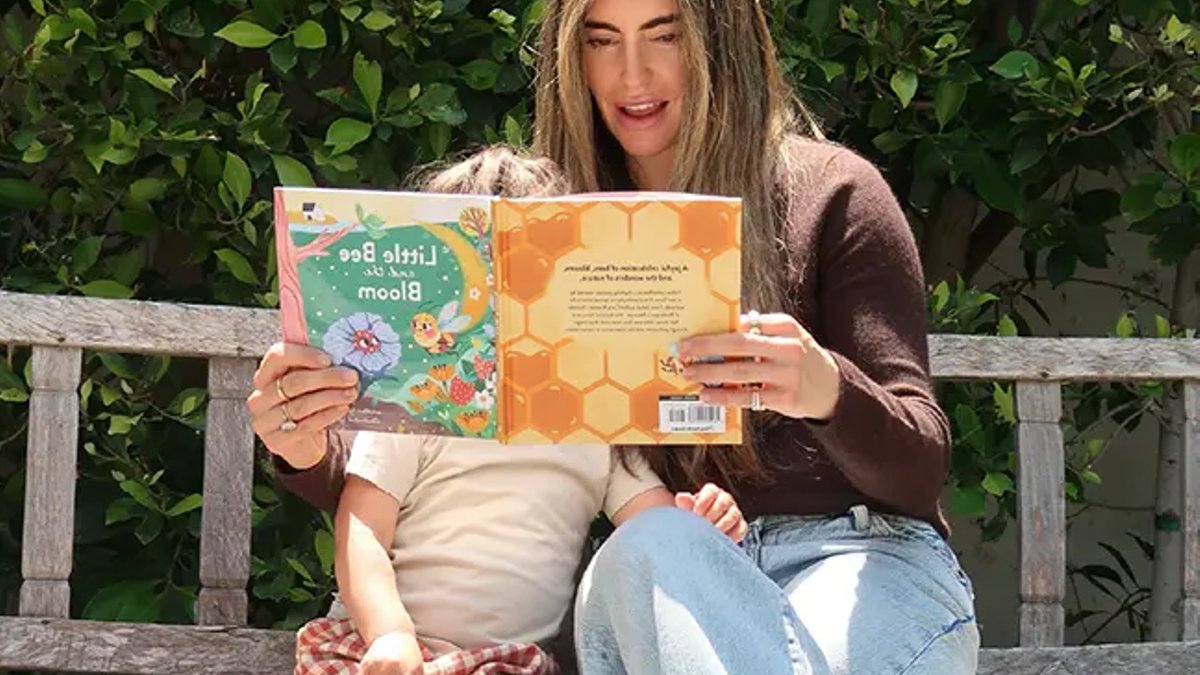
Carly Kremer, founder of Beekeeper’s Naturals, has spent years arguing that bees belong at the center of wellness discussions. Her new children’s book, Little Bee and the Bloom, shifts that conversation to a much younger audience. The story introduces kids to pollination and nature, aiming to spark curiosity rather than fear. It’s a move driven by her experience as a mother and a desire to connect children with the natural world before they learn to worry about it.
Kremer says motherhood changed her perspective on how to teach about the environment. She spent years helping adults care for bees but hadn’t considered how to engage children. She realized that stories can move people from a very early age. Research suggests that exposure to nature picture books increases a child’s awareness of their environmental impact. Kremer sees this in her own daughter, who now sings to bees in the backyard.
Building a Relationship, Not Just a Lesson
For Kremer, the difference between teaching and experiencing nature is stark. She and her daughter visit a pollinator garden every morning. They count the bees and observe the activity. Kremer notes that kids have a natural curiosity that adults often suppress. She believes we forget that being fascinated by nature is evolutionary. Our ancestors needed that awareness to survive. Ignoring it is a cultural habit, not a biological one.
Pen and paper have their place, but they don’t replace daily contact. Kremer argues that teaching opportunities arise organically when you are outside. You see life. You touch it. This hands-on approach helps children understand the value of the natural world quickly. It’s a reflection of the values adults pass down. If we show them joy, they will understand protection.
This approach contrasts sharply with the current trend of instilling environmental anxiety in young children. Kremer suggests that love should come before worry. She wants to teach her daughter to plant a garden or protect a creature. She’d rather focus on the joy found in nature than the state of the world. The desire to protect the planet should follow from a place of love, not fear. This is a distinct shift from the doom-and-gloom narratives often presented in media.
Read Also: Homemade popsicles mimic Creamsicle flavor with simple ingredients
Kremer pictured parents reading the book to their children on the bedroom floor. It’s a time for winding down. She sees it as a sacred part of the day. She hopes the book becomes a small part of that routine for other families. The goal is to make the experience special and memorable. It’s about creating a shared moment between parent and child. That connection is central to the book’s design.
Practical Steps for Families
The book offers practical advice for helping pollinators. Kremer recommends growing a wild, pesticide-free yard. Even a small terrace or balcony can support bees if planted with native species. She notes that research backs the effectiveness of these gardens. It’s a simple change that makes a big difference for local ecosystems. The focus is on creating habitat, not just observing it.
A common misconception is that saving bees means buying local honey. Kremer points out that honey bees are only a small fraction of bee species. Many bees don’t make honey or live in hives. When people say “save the bees,” they are often thinking only of the honey variety. This overlooks the vast diversity of pollinators.
For parents who can’t get to a park, Kremer suggests bringing nature into the home. Planting houseplants and teaching children to care for them builds emotional connection. It’s a simple way to start.


