Sarclisa Subcutaneous Option Offers Hope to Myeloma Patients
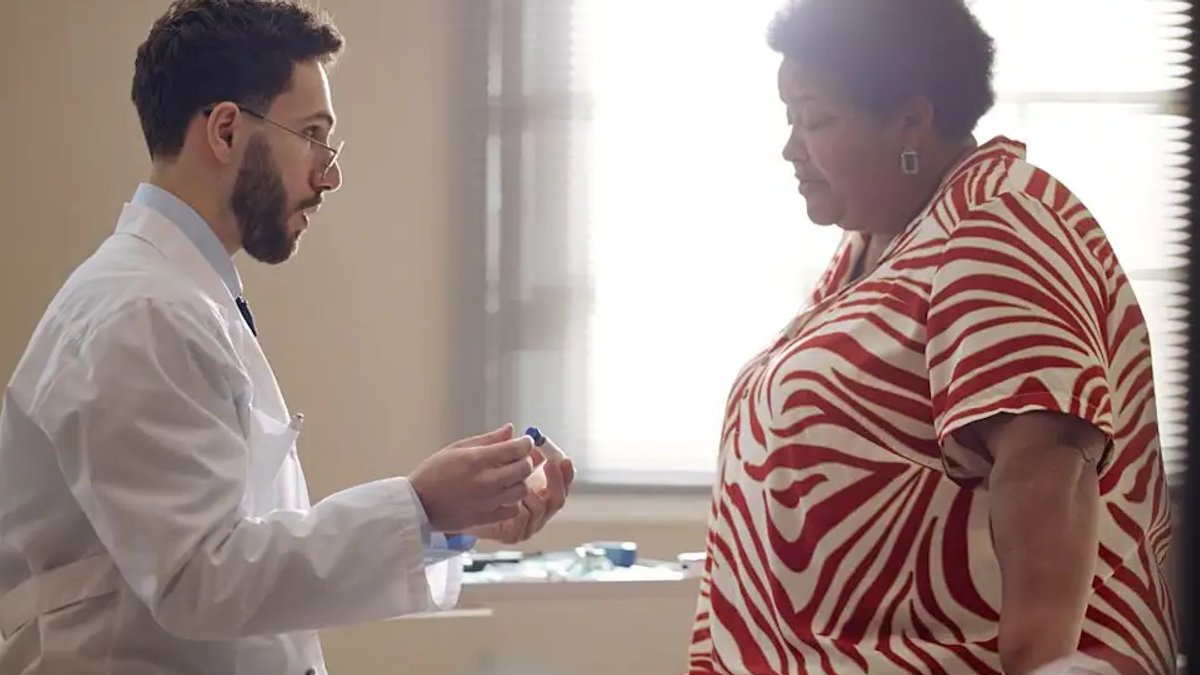
The Food and Drug Administration has approved a new formulation of a multiple myeloma drug that for the first time allows patients to receive the treatment through a small, wearable device attached to the body. The agency cleared isatuximab-irfc, marketed as Sarclisa Escena, for subcutaneous delivery on July 9, 2026.
How the Treatment Works
Isatuximab is a monoclonal antibody that targets CD38, a protein found on myeloma cells. The drug was first approved in 2020 as an intravenous infusion. With the new approval, eligible patients can now receive the same medication through a needle placed just beneath the skin rather than directly into a vein.
The subcutaneous version comes in two forms. Patients can receive a manual injection from a healthcare professional, or they can use an on-body injector, a small device worn on the body that delivers the medication over several minutes. The on-body injector approach has been used for other medications, including insulin and post-chemotherapy drugs, but Sanofi says Sarclisa Escena is the first anticancer treatment approved for this delivery method in the United States.
Related: Living and Working Tips for Systemic Mastocytosis
Study Findings
The phase 3 IRAKLIA study compared subcutaneous delivery through the on-body injector against intravenous infusion. Results showed similar efficacy and safety between the two methods. Treatment time was significantly reduced with the subcutaneous approach compared to IV infusion, according to the study data.
Who Qualifies
The approval does not apply to all multiple myeloma patients. Sarclisa Escena is approved for specific drug combinations and patient groups. It can be given with pomalidomide and dexamethasone for adults who have received at least one prior line of therapy including lenalidomide and a proteasome inhibitor. It is also approved with carfilzomib and dexamethasone for relapsed or refractory patients who have received one to three prior lines of treatment. A third option pairs it with bortezomib, lenalidomide, and dexamethasone for adults with newly diagnosed multiple myeloma who are not eligible for an autologous stem cell transplant.
Treatment Choices
For patients who qualify, having two subcutaneous options may offer more flexibility. A manual injection and the on-body injector deliver the same immunotherapy, but the experience differs. Some patients may prefer the familiarity of a manual injection, while others may appreciate the convenience and flexibility offered by a wearable device.
Related: Top picks for nursing school TEAS prep
Patients should discuss with their care team which option fits their preferences and lifestyle. Key questions to ask include whether subcutaneous Sarclisa is appropriate for their situation, what differences exist between the two delivery methods, and how each might affect the time spent in the clinic.
Insurance coverage and out-of-pocket costs may also vary between the two options and are worth discussing with providers and insurers before making a decision.
The approval reflects a broader movement toward patient-centered cancer care, where effectiveness, convenience, and quality of life all play a role in treatment planning. Patients should work with their care teams to determine whether this new option fits their individual needs.
Related Stories
 Insurance Coverage Desk
 Sarclisa Subcutaneous Option Offers Hope to Myeloma Patients
 Insurance Coverage Desk
 Guide to Spinal Injury Compensation Claims in the UK
 Insurance Coverage Desk
 Snake venom fuels new drug breakthroughs
 Insurance Coverage Desk