Safe Dental Care for Mastocytosis
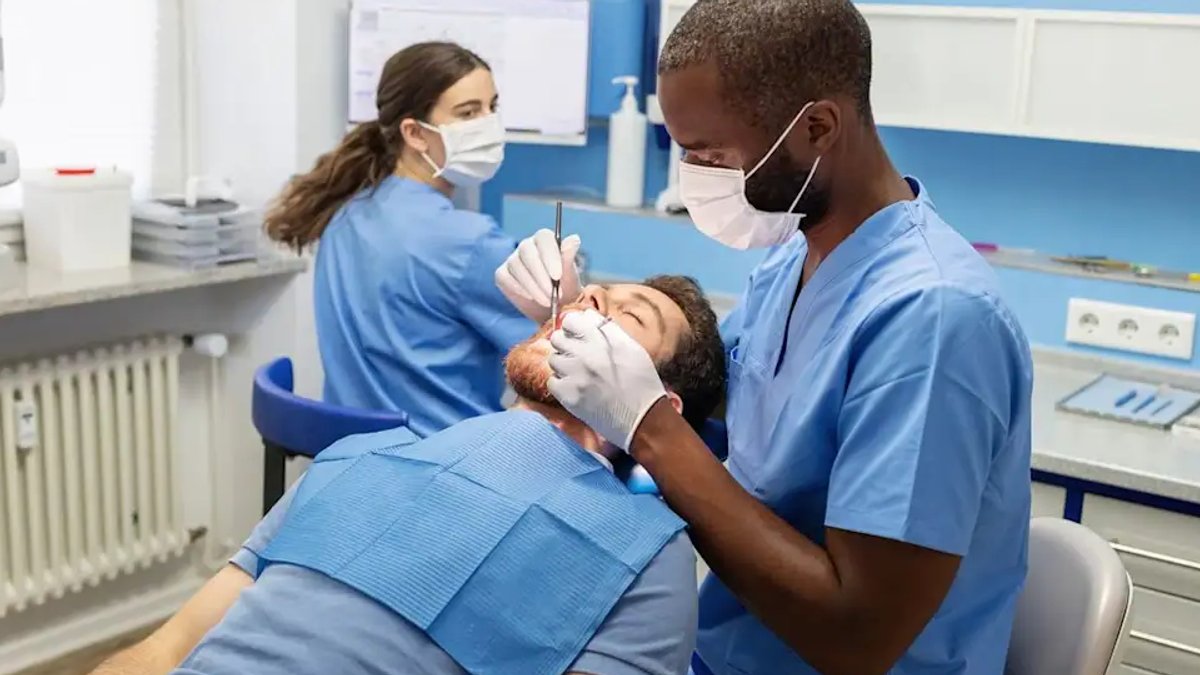
Dental care for patients with systemic mastocytosis (SM) can indeed be challenging due to potential triggers present in common dental procedures and medications. Epinephrine, a vasoconstrictor often added to local anesthetics, can cause reactions in SM patients. Other medications like opioid pain relievers, non-steroidal anti-inflammatory drugs (NSAIDs), antibiotics, and chlorhexidine can also pose risks. If you’ve had severe reactions to these substances during dental procedures, finding a willing dentist might be difficult, but there are steps you can take to ensure safe dental care.
Establishing Care with an Allergist or Immunologist
The first key step is to establish care with an allergist or immunologist, often referred to as an AI physician. These specialists can perform skin tests to evaluate your reactions to different medications and identify safe alternative local anesthetics. There are several epinephrine-free options available, but the specific ones mentioned in the article (articaine, mepivacaine, and prilocaine) are not explicitly supported by the source.
If you have multiple allergies or a complex reaction history, your AI physician might discuss desensitization procedures. These involve controlled exposure to a substance over time to reduce your sensitivity. For instance, they might gradually increase your exposure to a particular local anesthetic to help your body tolerate it better. Pre-medications like antihistamines or corticosteroids taken before a dental procedure can also lower the risk of a reaction by stabilizing your mast cells.
Exploring Epinephrine-Free Alternatives and Multidisciplinary Care
Your AI physician can help determine which alternative local anesthetics are suitable for you based on your reaction history. It’s also beneficial to consider dental care at academic medical centers with affiliated dental programs. These institutions often have multidisciplinary teams consisting of dental providers, AI physicians, and other specialists who can coordinate care and ensure your safety during procedures.
Related: Addressing sexual health and menopause after cancer
Educating Yourself and Connecting with Communities
Being well-informed about SM is empowering and can help you make better decisions about your dental care. Organizations like The Mast Cell Disease Society, the American Initiative in Mast Cell Diseases, and the American Academy of Allergy, Asthma & Immunology offer full educational resources on mast cell disorders, trigger management, and treatment options. Engaging with these communities can help you locate experienced providers, share experiences, and learn from others living with SM.
Dental care is integral to maintaining overall health. With the right medical team, careful preparation, and a thorough understanding of your condition, patients with SM can safely receive dental treatment. If you have questions about SM or would like to share your experiences, consider reaching out to
Dr. Jennifer Vaughn, an assistant professor in the Division of Hematology at The Ohio State University, and Dr. Chris Brooks, an assistant professor in the Department of Otolaryngology and Division of Allergy/Immunology at The Ohio State University Wexner Medical Center, contributed to this article. Their expertise in mast cell disorders and allergic reactions has helped ensure the accuracy and reliability of the information provided.


