Patients Share Insights on Subcutaneous Therapy
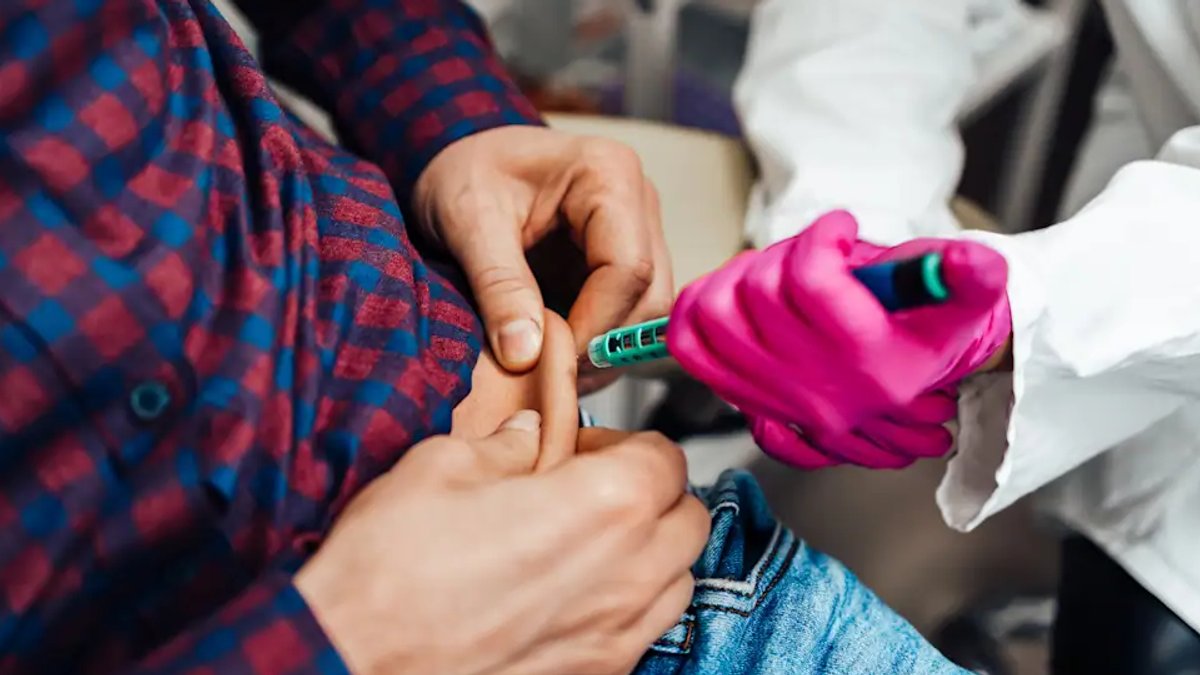
Subcutaneous cancer treatments have moved from a niche option to a mainstream alternative for many patients who once relied on lengthy intravenous infusions. By delivering medication just beneath the skin, these therapies can be administered in a matter of minutes, often without the need for a permanent vascular access device. While the speed of administration is frequently highlighted, patients across a range of cancer types report that the shift also brings emotional relief, greater flexibility, and a sense of reclaiming normalcy in their daily lives.
Kelly Morrow McCarthy’s journey with a HER2‑positive breast tumor illustrates how the removal of a port can symbolize a transition from patient to survivor. After a period of intensive treatment that included surgery, radiation and a series of IV infusions, she was offered Phesgo—a sub‑q injection that combines two targeted antibodies with hyaluronidase to facilitate absorption. The injection process required only a brief stay in the clinic, allowing her to walk in, receive the dose, and leave almost immediately. Beyond the logistical ease, McCarthy described a profound psychological shift: the absence of the port removed a constant visual reminder of her illness, and the simple act of receiving an injection felt like a step away from the identity of being a cancer patient. This change helped her focus on the next chapter of her life, reinforcing a feeling of empowerment as she approached the end of her treatment.
Related: Drug Before Therapy Improves High-Risk Prostate Cancer Outcomes
For Nima Palma, a long‑standing multiple myeloma survivor, treatment fatigue had become a barrier to continuing care. After enduring a decade of various regimens—including a stem‑cell transplant and multiple clinical trial therapies—she reached a point where the cumulative burden of appointments and IV infusions felt overwhelming. When her oncologist introduced a sub‑q formulation of the same antibody she had been receiving intravenously, Palma was able to re‑engage with therapy without the extensive preparation that IV administration demands. The sub‑q version required only a brief pre‑medication routine followed by a swift injection, which she described as “wonderful.” This streamlined approach not only reduced the physical toll of treatment but also made the prospect of returning to therapy feel manageable, allowing her to maintain a stable disease status while preserving her quality of life.
Collectively, these narratives reveal that subcutaneous administration can alleviate more than just the time constraints of cancer care. Patients describe reduced emotional burden, fewer invasive devices, diminished exposure to clinical settings during periods of immunosuppression, and a restored sense of agency over their treatment journeys. While sub‑q therapy is not universally applicable, its growing availability offers a valuable alternative for many individuals handling complex treatment plans.
Related Stories
 Mental Health Dispatch
 FDA Approves First Essential Thrombocythemia Drug in Nearly 30 Years
 Mental Health Dispatch
 Patients Share Insights on Subcutaneous Therapy
 Mental Health Dispatch
 Addressing sexual health and menopause after cancer
 Mental Health Dispatch