Rural Family Physicians Struggle With Staffing and Financial Shortages
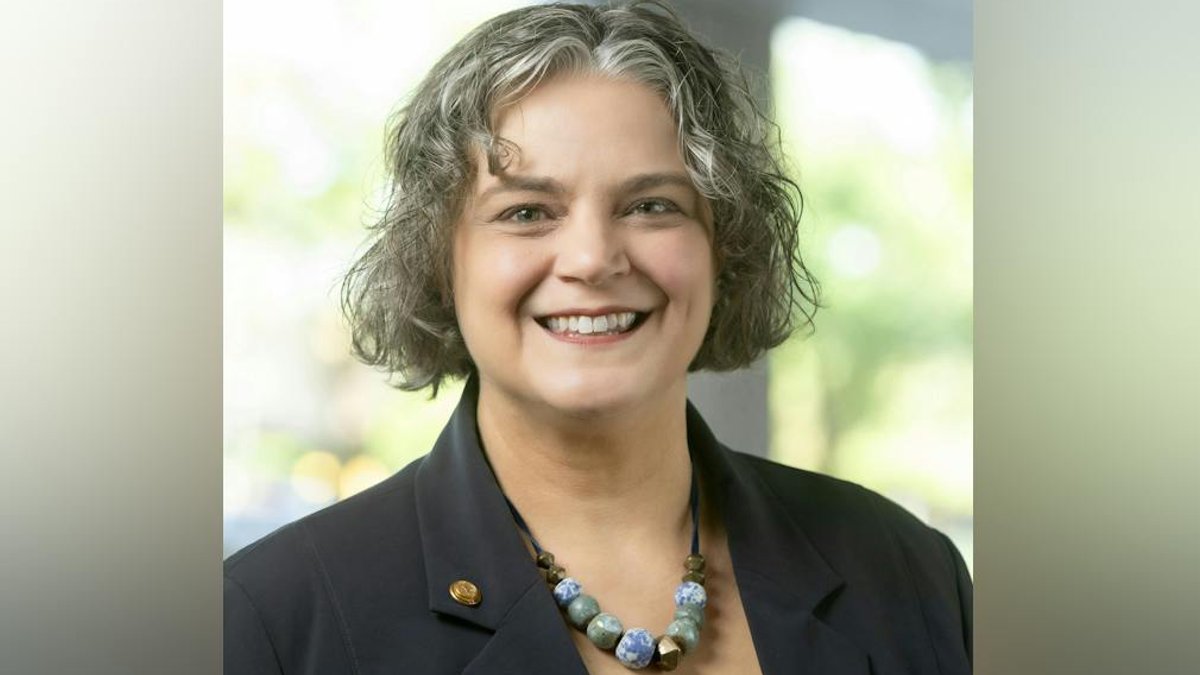
On November 19, National Rural Health Day, healthcare providers in rural areas continue to struggle with staffing shortages, limited specialty services, and financial challenges that jeopardize their ability to serve their communities, according to Robyn Liu, M.D., a family physician and board member of the American Academy of Family Physicians (AAFP).
Distance and Access
Dr. Liu, who previously worked in a remote area of western Kansas, discussed the difficulties rural providers face in an interview with Healthcare Innovation. In that region, only three to four family physicians covered a vast 7,200-square-mile area spanning parts of Kansas and Colorado.
Rural areas often have fewer doctors and limited access to specialized care, Liu explained. Patients may need to travel long distances for advanced treatment, and inadequate broadband infrastructure can hinder telehealth services and the sharing of diagnostic images for remote consultation. This issue is supported by athenahealth’s 2026 Rural Ambulatory Care Report, which notes that despite its potential, telehealth usage in rural areas lags behind urban regions.
The disparity in healthcare workforce distribution is significant: while 21 percent of Americans live in rural areas, only about 10 percent of physicians practice there, Liu pointed out. This shortage places a heavier burden on family doctors, who often provide a wide range of services, including primary care, mental health support, maternity care, and hospital coverage.
Burden on Primary Care
The 2026 Rural Ambulatory Care Report from athenahealth, as reported by David Raths of Healthcare Innovation, highlights these challenges. The report, based on data from 12.3 million rural patients between 2021 and 2025, shows that rural primary care practices manage 68.7 percent of visits related to anxiety or depression, compared to 55.1 percent in non-rural areas.
Related Post: Behavioral Health Data Sharing Gaps Jeopardize Patient Care
Liu noted that rural family physicians often handle mental health diagnoses and treatment due to the lack of nearby specialists. In her current practice in Portland, she has easy access to psychiatrists in the same building, whereas in her previous rural location, families had to travel three and a half hours to Denver for pediatric psychiatric care.
Funding and Policy Risks
“[A] family physician is their source of maternity care,” Liu stated, emphasizing the lack of obstetricians in rural areas.
Liu also expressed concern about the financial reliance of rural healthcare facilities on government programs. Payments from Medicaid, Medicare, the Department of Veterans Affairs (VA), and the Indian Health Service (IHS) are vital. She warned that upcoming Medicaid policy changes under H.R. 1, set to take effect in the new year, could significantly impact rural communities, where many residents depend on this program for coverage.
Looking Toward Solutions
“Historically, primary care in general has been sort of underfunded and undervalued,” Liu said. “There’s movement; there are people trying to find ways to increase the investment into primary care, which is what we need.”
Related Stories
 Clinical Trial Digest
Rural Family Physicians Struggle With Staffing and Financial Shortages
 Clinical Trial Digest
Healthcare AI Spending Shifts to Patient Care, Drug Discovery
 Clinical Trial Digest
Delhi to launch low-cost dialysis centers in seven hospitals via
 Clinical Trial Digest