Floods and Droughts Threaten HIV Care in South Africa
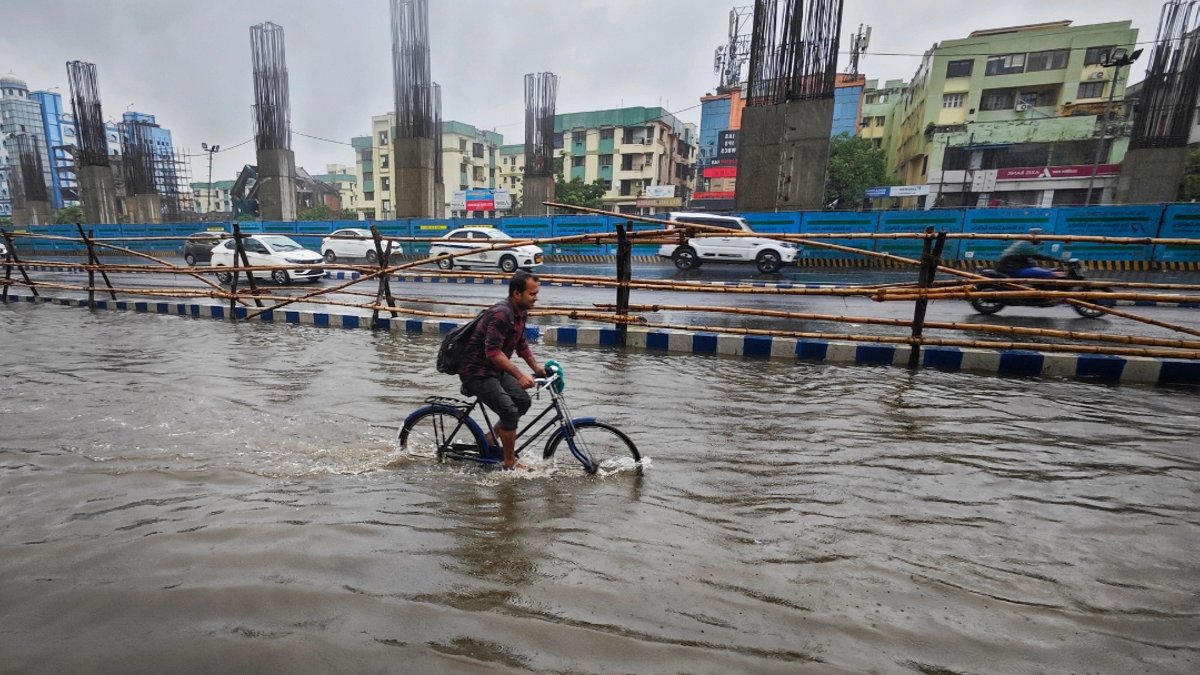
South Africa carries the world’s largest HIV burden, which makes the nation more vulnerable as severe weather intensifies and funding shrinks. While climate change does not alter the virus itself, severe floods, drought, and hotter weather can destroy roads, block access to health clinics, shift daily routines, and disrupt the treatment that keeps HIV under control. A worst-case warming scenario could see 25 to 37 percent more people in sub-Saharan Africa living with HIV by 2050.
Loss of medication and identity
On April 12, 2022, Mfundo Shezi, a 32-year-old who sleeps in a park in Durban, woke to a relentless deluge over KwaZulu-Natal. He fled for shelter, leaving behind his ID and his monthly supply of antiretroviral treatment. When he returned the next morning, the flood had taken everything. He missed a dose for the first time.
Shezi tried to reach the local clinic, but the roads were impassable. He walked to the government hospital, which was open. Without his ID book or a transfer letter from his regular clinic, hospital staff could not help him. He returned to the streets, without medication and without proof of identity, forced to wait for the next opportunity to restart his treatment.
Experts note that a flood does not make HIV more infectious or deadly. The danger lies in the disruption: destroyed infrastructure, lost documents, and broken routines. Between 2010 and 2023, new HIV infections in Africa fell by nearly 60 percent. That progress is now at risk as climate shocks collide with a shrinking HIV budget.
Risks for displaced populations
Climate scientist Christopher Jack, of the University of Cape Town, and public health specialist Coceka Nogoduka discussed these risks during a webinar on the links between climate change and HIV. They outlined how weather disasters force people to move, breaking the treatment continuity essential for survival.
When people are displaced by extreme weather, their homes often wash away with their identification documents. They may struggle to enter a new health facility or re-register into the public system. For someone on antiretrovirals, that break in routine allows the virus to multiply, making the person sick and able to infect others. In 2025 alone, natural disasters in sub-Saharan Africa forced nearly 3 million people to move.
Women who lose their livelihoods or access to food due to droughts are twice as likely to contract HIV. They may trade sex for basic necessities, losing the power to insist on condom use or safer sex. The loss of income and the need for survival can drive these risky behaviours, accelerating the spread of the virus in already affected communities.
South Africa’s national electronic patient record system, intended to allow a patient’s file to follow them when they move, remains incomplete. Only the Western Cape has a fully rolled-out system. In most clinics, records are still on paper. This creates gaps in care and skews national HIV case counts, as a person moving clinics might be counted as a new patient rather than someone continuing treatment.
Systemic strain and infrastructure gaps
Repeated shocks wear down health systems. Clinics may close due to flooding or power loss, and delivery trucks cannot reach remote areas. During the 2009 floods in Namibia’s Ohangwena region, 41 health facilities became unreachable because of damaged roads and floodwaters.
Infrastructure often fails to meet the demands of extreme weather. Roads are poorly built or maintained, and bridges are not designed for intense rainfall. These physical weaknesses compound with fragile health systems, cascading through access to care, health outcomes, livelihoods, and education. The 2022 KwaZulu-Natal floods, which killed over 450 people, demonstrated how quickly the ground can give way under these combined pressures.
South Africa’s Climate Change Act came into operation on March 17, 2025, accompanied by a national adaptation strategy meant to guide the country’s preparedness. Former Malawi health minister Khumbize Kandodo Chiponda acknowledged a similar failure after Cyclone Freddy washed away health documents and supplies in 2023, leading her to push for digitized records and shock-resistant facilities.
Steps toward resilience
Prevention medication, such as the daily anti-HIV pill or the six-monthly lenacapavir shot, lowers someone’s chances of contracting the virus to close to zero. Weather disasters put health systems under pressure. Clinics may close because they are flooded or have no power to keep medicines at the right temperature. Flooded roads and broken bridges stop delivery trucks from reaching remote areas.
Surveying the gaps
Community members often face the immediate impact of climate shocks. Talk to them to find out how they were affected. Ask healthcare providers about what happened to patients after recent floods or droughts. Find out if clinics were accessible after severe weather. Check if drug supplies were delayed or if testing or PrEP services paused.


